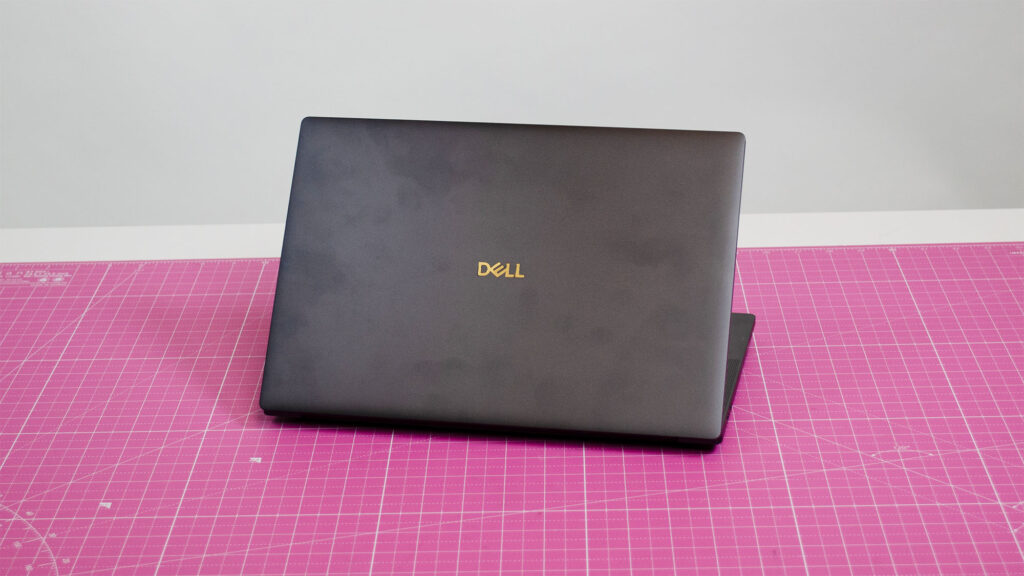
Dell Technologies has announced that the transition from Windows 10 to Windows 11 is progressing at a slower pace than anticipated. In its latest financial report, the company indicated that the current migration rate is lagging ten to twelve percentage points behind the previous operating system phase-out. Consequently, Dell forecasts flat sales for its PC division in the upcoming year, despite approximately 500 million PCs being unable to run Windows 11 due to hardware constraints.
The slow upgrade cycle is attributed to many organizations continuing to rely on aging hardware. Dell highlighted that these systems remain functional enough to delay replacement across various segments, including desktop computers and smaller devices like mini PCs. Such reluctance to upgrade reflects a broader trend within the industry as businesses prioritize maintaining existing infrastructure over transitioning to new operating systems.
Strong Demand in Server and Networking Sectors
While Dell anticipates stagnation in its PC sales, it has reported significant growth in its server and networking divisions. Orders for AI-focused systems surged to over $12 billion in the last quarter, driving a 37 percent year-over-year increase in revenue for these sectors. Companies are increasingly seeking denser hardware solutions to consolidate their aging fleets, resulting in heightened demand for advanced memory and storage configurations.
This uptick in demand comes at a time when prices for RAM and NAND components are on the rise, as manufacturers shift resources to meet the needs of the AI market. Dell emphasized its commitment to adapting supply chain strategies developed during the pandemic to mitigate the effects of these shortages. The company has reassured investors that its operational model enables flexibility in pricing, configuration adjustments, and directing clients toward alternative products based on supply conditions.
Dell reported quarterly revenue of $27 billion, marking an 11 percent increase from the previous year. Looking ahead, the company anticipates revenue of $31.5 billion for the next quarter and over $111 billion for the fiscal year 2026. Much of this growth is expected to stem from server replacements, as a considerable number of customers still operate older systems, particularly those from the fourteenth generation. The introduction of Dell’s current seventeenth-generation models aims to replace multiple outdated devices, each with a higher price tag due to expanded memory and storage capabilities.
Industry Trends and Future Outlook
Dell’s partner, Nutanix, has also reported year-over-year revenue growth and a shift among customers away from VMware solutions. The company’s leadership noted that clients are increasingly seeking flexibility in aligning licensing timelines with their migration plans. However, ongoing memory shortages may pose challenges to expansion efforts, though anticipated integrations with external storage solutions are expected to facilitate broader adoption.
Despite the anticipated flat demand for business laptops, Dell remains optimistic about its enterprise hardware strength. The robust demand for AI servers, coupled with the impressive revenue growth in the server and networking sectors, suggests a continued need for advanced computing infrastructure. Businesses appear to be prioritizing infrastructure upgrades while remaining cautious about broad PC replacements until hardware shortages and cost pressures stabilize.
As organizations navigate the complexities of technology upgrades, the trend indicates a deliberate approach to balancing existing systems with new requirements. Dell’s insights reflect broader industry dynamics, underscoring the importance of strategic planning in a rapidly evolving technological landscape.