




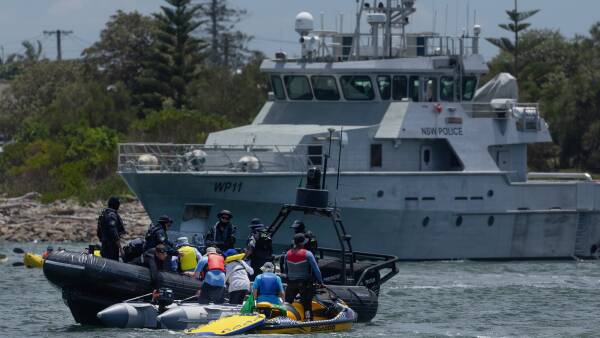
URGENT UPDATE: Tensions are escalating in Newcastle as activists from the Rising Tide movement gather for a high-stakes protest against fossil fuel reliance. Earlier today, approximately 50 volunteers met at Horseshoe Beach to clear debris, setting the stage for a weekend of activism that has already drawn significant community attention.
Protest organizer Zack Schofield has emerged as a pivotal figure, articulating concerns over multinational corporations profiting from Australian resources while local communities suffer. This protest comes amid rising scrutiny of government policies, particularly from the Albanese government, which continues to approve new fossil fuel projects despite ongoing climate emergencies.
Witnesses report that the protest has seen 139 arrests, a decrease from last year’s total of 170, raising questions about the effectiveness of the movement and the strategies employed. “We are witnessing everyday people, not extremists, taking a stand for our future,” said Schofield, emphasizing the need for immediate governmental action against coal projects.
The protest’s urgency is underscored by alarming climate reports. Global weather patterns are worsening, with frequent natural disasters attributed to climate change. The protestors argue that current measures are insufficient, with many believing that without a drastic shift in policy, the consequences will only worsen.
In a noteworthy incident, the Knitting Nannas reportedly turned back an 85,000-tonne coal ship using a small boat, illustrating the grassroots spirit of resistance that defines Rising Tide’s mission. This act of defiance has garnered significant media attention, further fueling the urgency for immediate change in energy policies.
As the protest unfolds, community sentiments remain divided. Some residents express frustration, viewing the actions as disruptive rather than constructive. Critics argue that the protestors are undermining public support for their cause, especially after reports of graffiti on coal ships and breaches of exclusion zones.
“Rising Tide has proven their commitment, but they must also consider the broader community’s sentiments,” one local commented. “The law and safety should be paramount.”
The protest highlights the growing discontent surrounding the Australian energy sector and its impact on local communities. Activists are calling for an end to new coal projects and the taxation of existing ones to fund renewable energy initiatives and protect workers.
As the weekend progresses, all eyes will be on Rising Tide’s next moves. Will they push the envelope further, or will the City of Newcastle take measures to curb their activities? The community is anxious to see how this will unfold.
For those following the climate crisis closely, this weekend’s protest is not just another event; it’s a critical moment in the ongoing battle for environmental justice. The voices of young activists like Grace Goldman resonate strongly, calling for accountability and urgency from government officials.
As the situation develops, it remains to be seen whether the Rising Tide movement will achieve its goals or face further setbacks in its fight against fossil fuels. The stakes are high, and the need for decisive action has never been more pressing.
