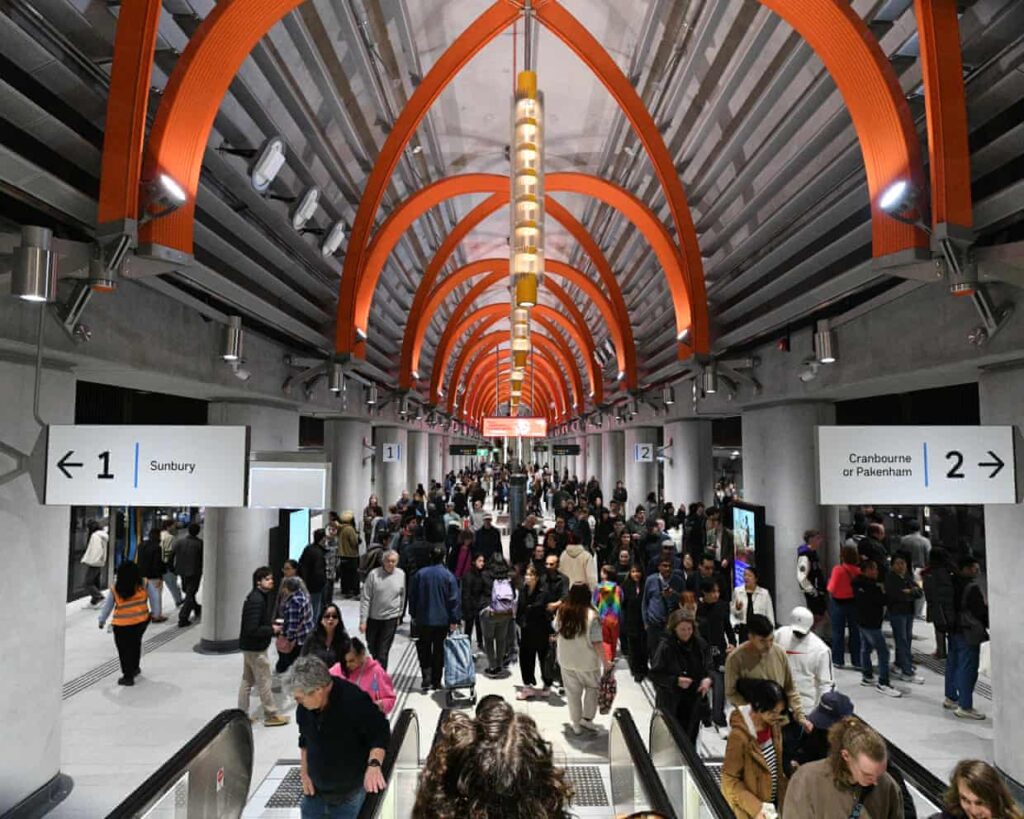
The long-awaited opening of the Metro Tunnel in Melbourne marks a significant milestone in the city’s public transport evolution. Set to enhance connectivity across the region, the new metro system promises to deliver improved, sustainable transportation options for all residents. While the announcement garnered attention primarily from commuters, it is essential to recognize the broader implications for urban mobility that extend beyond just the daily work commute.
Embracing All Forms of Travel
The discourse surrounding the Metro Tunnel often focuses on its impact on commuters traveling to the central business district. However, this perspective overlooks the full potential of public transport to serve a diverse range of travelers. As noted by Will Atkins from Sydney, the vision should encompass various journeys, such as trips to community pools, visits to friends, shopping outings, airport transfers, and cultural events like concerts.
Urban public transport should be designed with the idea of catering to “all of the city, all of the time for everyone.” This approach encourages residents to prioritize public transport for their daily activities instead of relying solely on cars. A well-integrated metro system can significantly contribute to reducing traffic congestion and promoting a greener city.
Global Best Practices in Public Transport
Cities renowned for their exceptional public transport systems, such as Amsterdam, Tokyo, and Berlin, have set a high standard for accessibility and efficiency. These cities not only invest in robust public transport networks but also cultivate cultures around walking and biking. As Melbourne prepares to unveil the Metro Tunnel, it has an opportunity to adopt these best practices and develop a comprehensive transport strategy that encourages sustainable travel habits.
The Metro Tunnel, along with other projects like the new metro in Sydney and the ongoing construction in Brisbane, reflects a growing recognition of the need for effective public transport solutions. By focusing on the needs of all travelers, Melbourne can position itself as a leader in urban mobility, enhancing the quality of life for its residents.
As the city embarks on this new journey, it is crucial for stakeholders to consider the varied travel needs of the community. With a commitment to inclusive public transport, Melbourne can ensure that its infrastructure supports not just commuters but all residents seeking to navigate the city efficiently and sustainably.