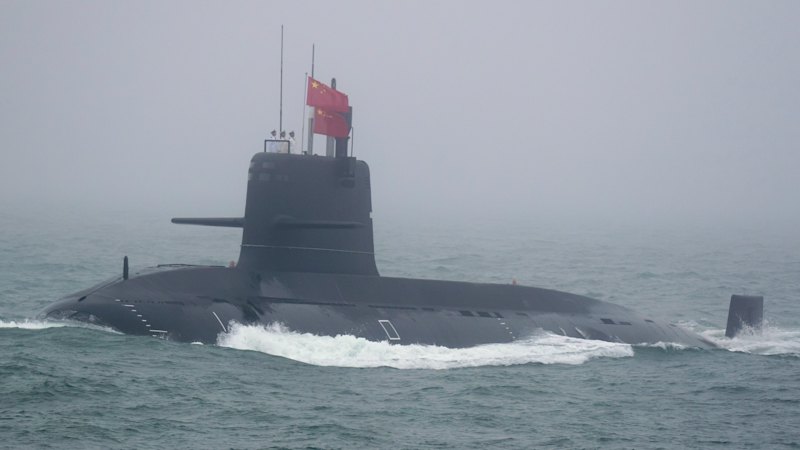
China has deployed more than 100 naval and coast guard vessels across East Asian waters, escalating tensions in the region. This deployment, reported by Reuters and confirmed by multiple security officials, marks a record concentration of Chinese military assets, stretching from the southern Yellow Sea through the East China Sea and into the contested South China Sea and the Pacific. This substantial show of force is unprecedented in scale and follows a pattern of increasing military assertiveness by Beijing.
Reports indicate that the current deployment coincides with a busy period in the People’s Liberation Army (PLA) training calendar, although no major drills have been announced. The size of this operation surpasses last December’s mobilization, which prompted a heightened alert level in Taiwan. Defense experts are emphasizing a longer-term trend in which China is regularly deploying larger and more sophisticated military task groups well beyond its coastal waters.
Jennifer Parker, an adjunct fellow in naval studies at the University of New South Wales, expressed that while this specific deployment may not be significant on its own, it is indicative of China’s growing confidence and capabilities within its navy. “China has developed a large, capable military and intends to use it to achieve its policy objectives,” Parker stated. She highlighted that the PLA’s operations now extend from Alaska to the Red Sea, often designed to test the responses of U.S. allies.
As these developments unfold, Australia’s Defence Minister Richard Marles is set to visit Tokyo this weekend to discuss strengthening defense ties with his Japanese counterpart. Marles stated, “Our relationship with Japan continues to grow from strength to strength – underpinned by close strategic alignment, mutual ambition and enormous potential.” This meeting comes at a time when tensions between Beijing and Tokyo are palpable, particularly following Prime Minister Sanae Takaichi’s remarks suggesting that a hypothetical attack on Taiwan could trigger a military response from Japan.
In response to Takaichi’s comments, Beijing has condemned the statements and implemented measures such as halting Japanese seafood imports and warning its citizens against travel to Japan. Additionally, tensions have flared between Chinese and Japanese coast guard vessels near the disputed Diaoyu/Senkaku Islands, with conflicting reports emerging about their encounters. China claims its coast guard implemented necessary control measures to repel a Japanese fishing boat, while Japan asserts that Chinese patrol ships were intercepted and ordered to alter their course.
The chain of islands in question has historically been a flashpoint in Sino-Japanese relations, with Chinese vessels maintaining an unprecedented presence, logging over 216 consecutive days of patrols this year. In Tokyo, Defence Minister Shinjiro Koizumi acknowledged awareness of the Chinese military activities in the East China Sea, asserting that Japan is monitoring these movements closely while refraining from commenting on the specifics of the latest deployment.
As tensions continue to mount, the international community watches closely, aware that the evolving military dynamics in the region could have far-reaching implications. The situation underscores the delicate balance of power in East Asia and the ongoing complexities in China’s relationships with its neighbors.