




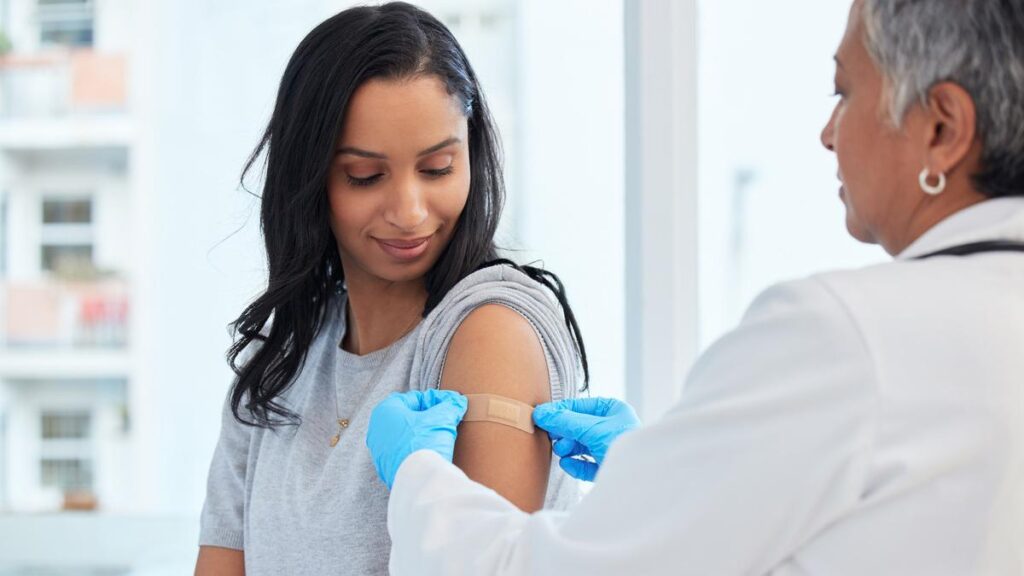
Healthcare, woman and doctor with plaster, vaccination and consultation in a hospital, cure and disease. Female patient, client and medical professional with care, vaccine and injection for safety.
URGENT UPDATE: New research reveals that Merck’s Zostavax shingles vaccine significantly reduces the risk of death from dementia. A large-scale study conducted in Wales indicates that seniors with dementia who received the vaccine were nearly 30 percentage points less likely to die from the disease compared to those who did not get vaccinated.
The study followed over 14,000 seniors diagnosed with dementia over a period of nine years. Alarmingly, almost half of these individuals died from dementia during this time. However, the findings suggest a promising potential for the Zostavax vaccine, highlighting its possible role in slowing disease progression.
Earlier this year, research already indicated that older adults who received the Zostavax vaccine were 20% less likely to develop dementia compared to their unvaccinated peers. Now, the current study led by Pascal Geldsetzer from Stanford University brings to light the vaccine’s therapeutic potential for those already living with dementia.
“The most exciting part is that this suggests the shingles vaccine doesn’t only have preventive benefits for dementia but also therapeutic potential,” Geldsetzer stated. The study raises questions about the mechanisms involved—whether the vaccine boosts the immune system overall, mitigates virus reactivations, or functions through another pathway.
The effectiveness of Zostavax has been under scrutiny, particularly as the newer shingles vaccine, Shingrix from GlaxoSmithKline, has shown superior results in preventing shingles. Researchers are now investigating if Shingrix may provide similar or enhanced benefits against dementia.
Despite the waning protection of Merck’s vaccine over time, the researchers have confirmed these findings across multiple countries, including England, Australia, New Zealand, and Canada, reinforcing a strong protective signal for dementia in diverse health datasets.
As this story develops, experts urge those at risk to consider vaccination options. The implications of these findings could reshape approaches to dementia care, emphasizing the importance of vaccines in overall health strategies. Stay tuned for further updates on this groundbreaking research that could change lives.
