




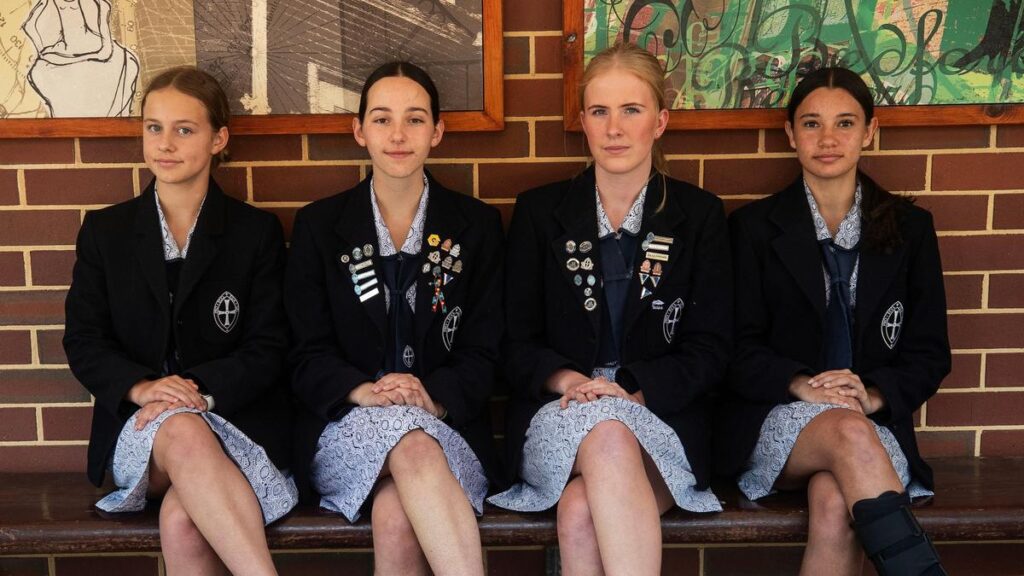
UPDATE: The nationwide social media ban for under-16s in Australia is set to begin on December 10, leaving families scrambling as experts warn of potential isolation during the summer break. This groundbreaking legislation affects popular platforms including Facebook, Snapchat, Instagram, YouTube, and TikTok, marking a historic move that the world is watching closely.
As Western Australia teens prepare for their final weekend with unrestricted access, schools have been actively hosting information sessions to guide parents and students through the transition. However, with private schools already on break and public schools finishing just days before the ban, concerns about student support during the holidays are mounting.
Alana Maitland, director of wellbeing at Perth College, expressed support for the ban but noted that its timing is less than ideal. “With our students finishing the school year before December 10, many will be managing the early stages of this change independently,” she stated. “We would have welcomed the opportunity to guide them through this process while they were still at school.”
The ban’s initiation during a period of significant free time for students raises alarms about isolation and mental health. Maitland highlighted that the school has been proactive, encouraging students to explore alternative activities such as learning new skills, listening to podcasts, and engaging in sports.
Cyber safety educator Paris McNeil voiced her concerns, labeling the rollout as “rushed and confusing.” She noted that misinformation is rampant, with viral TikTok posts incorrectly claiming that the ban would be delayed until June 2026. This confusion stemmed from a recent senate inquiry suggesting a six-month postponement.
“This situation underscores the urgent need for students to develop critical thinking skills to navigate social media effectively once they reach 16,” McNeil added. The initial weeks following the ban will be crucial in determining its success or failure, according to experts from La Trobe University.
Tama Leaver, an internet studies expert at Curtin University, compared the ban’s implementation to “ripping off a Band-Aid really slowly.” He warned that the gradual loss of access to platforms could be emotionally challenging for many teens whose social lives are deeply integrated with social media.
For parents and guardians, open dialogue with young people about their experiences during this transition is essential. “The first few weeks will be critical in assessing how effectively the ban can serve as a model for other countries,” Leaver stated.
Meanwhile, concerns about the lack of a regulatory body overseeing the ban persist. Daswin De Silva, a professor of artificial intelligence, emphasized that the responsibility lies with social media companies to establish age assurance methods to comply with the law.
Additionally, Brittany Ferdinands, a lecturer at the University of Sydney, cautioned that the ban could inadvertently push youth activity into less visible online spaces. She argued that enhancing digital literacy and parental controls may be more effective than age restrictions that can be easily circumvented.
As the countdown to the social media ban continues, families across Australia are urged to prepare for a new digital landscape that could redefine how teens interact during their formative years. The clock is ticking, and the implications of this unprecedented move will soon unfold.
