




UPDATE: The Albanese government is gearing up for a critical showdown as it defends its sweeping social media ban for users under 16 years old. Communications Minister Anika Wells expressed confidence that the government will prevail in an upcoming High Court challenge, set to be heard shortly. This urgent legal battle comes after two teenagers, Noah Jones and Macy Neyland, supported by digital rights activists, accused the Australian government of attempting to “silence” young voices.
The High Court has agreed to hear their case, with Wells stating, “We are working with the Solicitor General on the High Court challenge that we have before us at the moment, and we’re really confident that we can put forward a very strong case and be successful.” The stakes are high, with potential fines of up to $49.5 million for social media platforms that fail to comply with the new regulations.
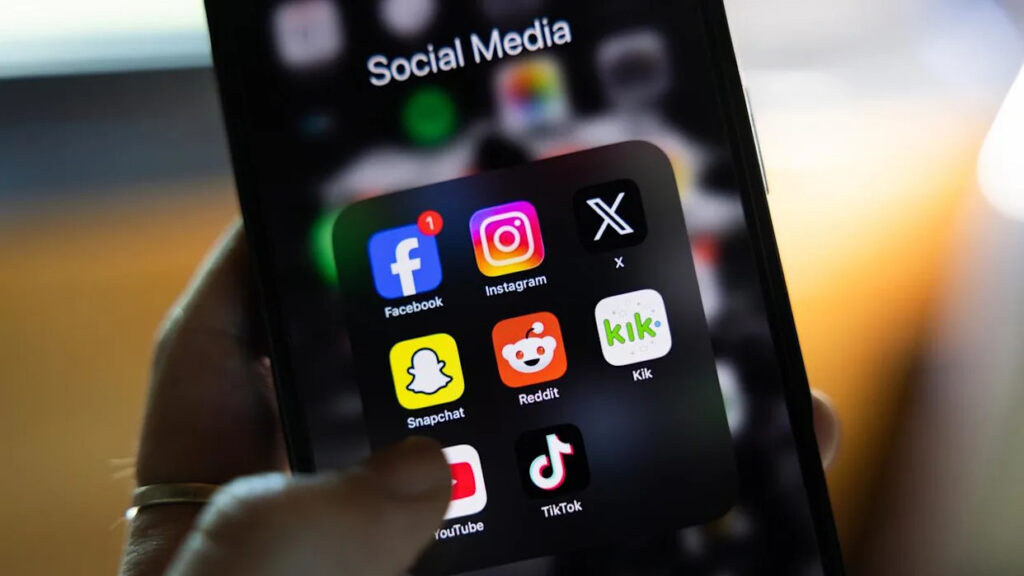
The ban is scheduled to take effect on December 10, 2023, requiring platforms such as Instagram, Facebook, TikTok, and others to verify the ages of their users. Critics, including the plaintiffs, argue that this policy is “lazy” and will push teenagers to create “fake profiles” to bypass restrictions. “We want to remain educated, robust, and savvy in our digital world,” Jones declared, emphasizing the need for better safeguards rather than outright bans.
Neyland added that the ban could stifle political discourse among young voters, stating, “Young people like me are the voters of tomorrow.” She urged politicians to consider more effective measures rather than imposing restrictions that drive youth to unsafe online behaviors. “Driving us to fake profiles and VPNs is bad safety policy,” she asserted, likening the situation to themes from George Orwell’s 1984.
The Digital Freedom Project is backing the constitutional challenge, highlighting the importance of youth representation in the digital space. As the deadline for compliance looms, platforms are preparing for significant changes. For instance, Snapchat announced that starting on December 10, users suspected of being under 16 will be required to verify their ages using government-issued photo IDs or facial recognition technology.
The controversy surrounding this ban is intensifying, with more platforms potentially being included in the restrictions. As the government pushes forward with its policy, young Australians and their advocates are rallying against what they perceive as an infringement on their rights.
With the High Court hearing on the horizon, the outcome of this case could have far-reaching implications for social media regulations in Australia and beyond. As developments unfold, all eyes will be on the High Court to see if the government’s ambitious plans will stand or if the voices of young Australians will be heard loud and clear.
