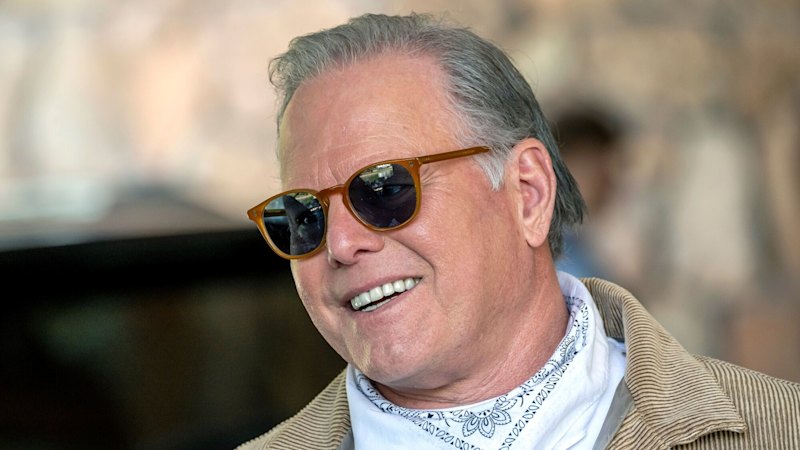
Warner Bros Discovery’s chief executive, David Zaslav, is poised to become a billionaire following Netflix’s recent acquisition of the company’s streaming assets for $72 billion. This acquisition marks a significant financial victory for stockholders, as their shares will be purchased for more than triple the value recorded just a few months ago.
Zaslav, who has led Warner Bros for nearly two decades, has faced criticism for his hefty compensation, which exceeded $200 million in salary and bonuses over recent years. Despite the company’s struggles, including significant layoffs and strategic missteps, Zaslav’s financial arrangements have remained robust. A notable aspect of his compensation package includes stock options that were valued at over $200 million in the company’s 2021 proxy statement. However, the decline in Warner Bros’ share price means these options are currently worthless.
In a controversial move earlier this year, Zaslav renegotiated his contract, granting him new stock options valued at over $400 million linked to the Netflix acquisition price. This change positions him uniquely among non-founder executives, with the potential to surpass $1 billion in net worth if the deal concludes successfully. A spokesperson for Warner Bros did not provide comment on the evolving situation.
Shareholder feedback regarding Zaslav’s compensation has been increasingly critical. Warner Bros stock, trading at about $10 per share, has seen a decline of more than 60 percent since its peak in April 2022. Despite this downturn, the studio’s proxy statement revealed that Zaslav received nearly $52 million in total compensation in 2024 alone, which included over $21 million in cash performance awards for the sixth consecutive year.
Shareholder Reactions and Pay Package Adjustments
At the company’s annual meeting in June, a majority of shareholders rejected Zaslav’s pay package in a non-binding advisory vote. John Skipper, former president of ESPN, remarked on a podcast that Zaslav’s salary was “shockingly high” given the company’s performance. In response to the backlash, Warner Bros’ board acknowledged shareholders’ opinions, stating that it values their feedback regarding executive compensation.
Despite the negative reception, Zaslav signed a new contract shortly after the vote, extending his tenure until 2030 and granting him approximately 23 million stock options. The new options come with a more achievable exercise price of just over $10, making them potentially lucrative with only modest increases in the company’s stock price. However, these options are contingent on Zaslav successfully navigating a planned spinoff of Warner Bros’ cable networks by the end of 2026.
In early November, the company modified Zaslav’s contract to clarify that his options would vest in the event of any change-in-control transaction, broadening the circumstances under which his options could become valuable.
Implications of the Acquisition
Following a series of competitive bids, Netflix announced that it had completed the acquisition of Warner Bros’ streaming operations. Once finalized, Zaslav’s options from his 2025 employment agreement could be worth approximately $420 million, based on Netflix’s cash-and-stock offer price of $27.75 per share. Additionally, Zaslav holds Warner Bros stock valued at about $186 million at this offering price.
The acquisition is expected to trigger change-in-control provisions that would accelerate the vesting of nearly 6.3 million performance-restricted stock units awarded to Zaslav, potentially adding more than $170 million to his wealth at the acquisition price. The transaction is anticipated to close within the next 12 to 18 months, although an antitrust review is expected to attract significant scrutiny.
As the media landscape continues to evolve, Zaslav’s financial trajectory and the implications of the Netflix deal reflect the complexities of executive compensation amidst changing company fortunes.