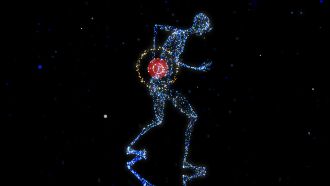
Recent research published in the JAMA Network Open indicates that while certain physical activities may temporarily exacerbate low back pain, they do not correlate with long-term functional limitations. The study, conducted by the VA Puget Sound Health Care System, provides insights that could alter how individuals manage their low back pain during various activities.
The research highlights that specific movements might trigger short-term flare-ups for those suffering from low back pain. However, these transient responses are not linked to any significant long-term damage or deterioration in function over a period of one year. This finding suggests that engaging in these activities does not lead to better or worse outcomes for individuals with low back pain in the long run.
Details of the Study
The study involved a comprehensive analysis of participants who reported low back pain. Researchers assessed the impact of common physical activities on their condition and followed up to determine any long-term effects. They found that while some activities could provoke immediate discomfort, participants did not experience a decline in their physical capabilities one year later.
Dr. Suri, one of the study’s lead authors, emphasized the importance of understanding the nature of low back pain. “Many individuals may avoid certain activities due to fear of worsening their condition. Our findings suggest that this caution may be unnecessary,” he stated.
Funding for the research was provided by the Rehabilitation Research and Development Service under grant number I01RX003248. The study also benefited from the support of the University of Washington Clinical Learning, Evidence and Research (CLEAR) Center, which is funded by P30AR072572 from the National Institute of Arthritis and Musculoskeletal and Skin Diseases.
Implications for Patients
For patients dealing with low back pain, the implications of this study are significant. It suggests that while temporary pain may arise from certain movements, the lack of any detrimental long-term effects means that individuals can remain active without undue concern over their pain worsening.
This research could reshape treatment plans and rehabilitation approaches for low back pain, encouraging healthcare providers to promote activity rather than discourage it based on fear of long-term harm.
The findings serve as a reminder that understanding the nature of pain, particularly in the context of physical activity, is essential for effective management. As Dr. Heagerty, a co-director of the CLEAR Center, noted, “Empowering individuals to engage in physical activity is crucial for both mental and physical health.”
Overall, this study offers a new perspective on the management of low back pain, providing hope and clarity for those affected by this common condition.