




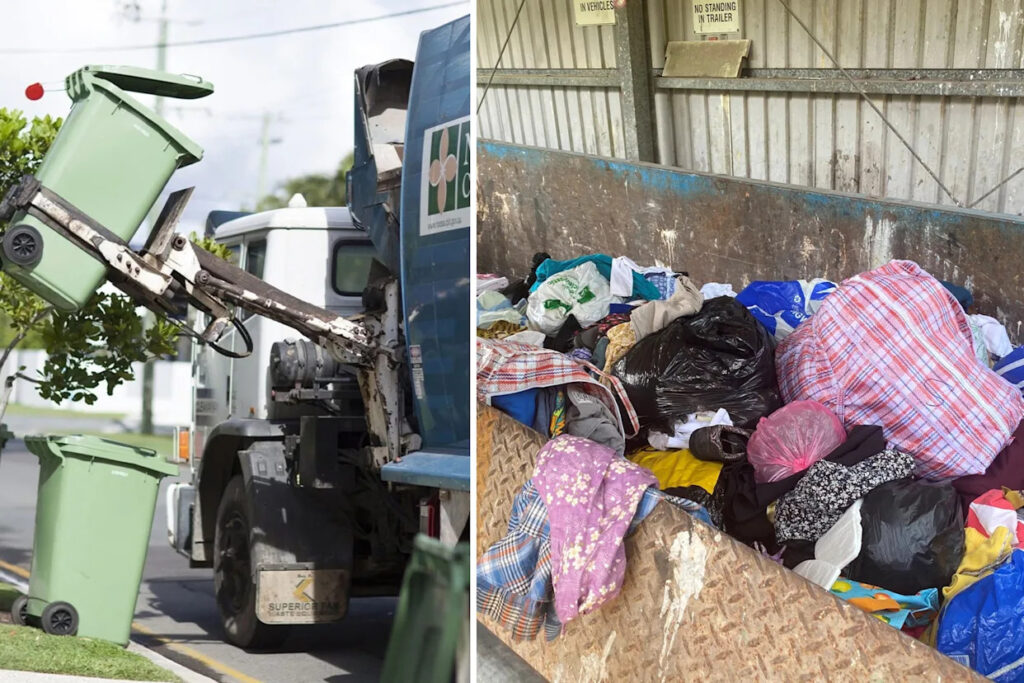
UPDATE: The Noosa Council in Queensland has issued an urgent warning to residents as the local waste center faces a staggering two tonnes of clothing dumped every week. This alarming trend is straining the beachside town’s resources and calls for immediate action from shoppers.
Authorities confirmed that the increase in textile waste is largely due to impulse buying ahead of the holiday season. Kyrone Dodd, the manager of the Waste and Resource Recovery Centre, emphasized the significant impact, stating, “We’re receiving more than two tonnes each and every week, not only from residents but from op shops overwhelmed with stock they’re unable to sell.”
The situation is dire as one in three garments purchased in Australia ends up in landfills within just one year. This is a growing crisis that threatens to overwhelm the already limited landfill space. “Even though we are recycling more than ever before, the high volume of textile waste arriving each year is unsustainable,” Dodd warned.
Noosa Council urges shoppers to think critically about their purchases this Christmas, suggesting a 24-hour waiting period before buying gifts. This simple step could significantly reduce unnecessary spending and help alleviate the environmental burden. In Australia, the average person generates an astonishing 76 million tonnes of waste annually, which surges by 30% during the holiday season.
As the fashion industry ranks as the third-largest polluter globally, contributing to approximately 10% of the world’s greenhouse gas emissions, the council is advocating for a shift towards more sustainable gifting. Dodd recommends opting for experiences—like dining vouchers or spa treatments—over physical items. Additionally, encouraging the choice of second-hand gifts or homemade treats can significantly minimize waste.
Australia ranks as the world’s second-biggest consumer of textiles per capita, trailing only the United States. Each Australian disposes of roughly 23 kilos of clothing every year, an amount comparable to a school-aged child. As reported by the environmental group Clean Up, nearly 60 garments are bought by each person annually, most of which consist of non-durable materials.
The consequences of this fast fashion culture are becoming increasingly visible, with discarded clothes and broken goods piling up outside charity shops. Anuja Mukim from the St Vincent de Paul Society shared, “We’re seeing a lot of fast-fashion brands come through new with the price tag still on. People are buying on impulse and then not wearing it.”
This impulse buying has led to a decline in the quality of donations, with 14% of clothing donations ending up in landfills, primarily due to fast fashion’s lack of durability. “Fast fashion isn’t made to last,” Mukim stated, highlighting the need for a cultural shift in consumer behavior.
As Noosa grapples with this escalating issue, the call for a more thoughtful approach to shopping has never been more urgent. Residents are encouraged to consider the environmental impact of their purchasing habits and to participate in sustainable gifting practices this holiday season.
For further updates on this developing situation, stay tuned and consider sharing this important message with your community.
