As demand for e-bikes surges this holiday season, recent tragic incidents involving these devices have prompted serious reconsideration of their safety, particularly for younger riders. On December 8, 2025, a 14-year-old boy in Victoria lost his life following a collision with a four-wheel-drive vehicle, highlighting the risks associated with e-bikes. The Royal Australasian College of Surgeons (RACS) is advocating for “nationally consistent laws” to address the increasing number of injuries and fatalities linked to e-mobility devices.
The tragic accident occurred just days after New South Wales Premier Chris Minns announced plans to reduce the speed limit for e-bikes from 60 km/h to 30 km/h, a change expected to be implemented in the coming months. This initiative comes in response to alarming statistics, with fourteen deaths reported in Queensland alone this year, including three children. Nationally, another child has also died in e-bike-related incidents.
Data from the Sydney Children’s Hospital Network reveals that 94 children were injured while riding e-bikes in 2024, a significant increase from 60 injuries reported in the previous year. E-bikes, which feature small electric motors limited to 250 watts and a maximum speed of 25 km/h, have become popular, but confusion arises from variations in regulations across states.
In New South Wales, riders can purchase e-bikes with motors up to 500 watts, while other states like Victoria and Queensland restrict purchases to 250 watts and enforce speed limits of 25 km/h. Many e-bikes on the market, however, are modified to exceed these limits, leading to illegal usage that complicates safety measures for families.
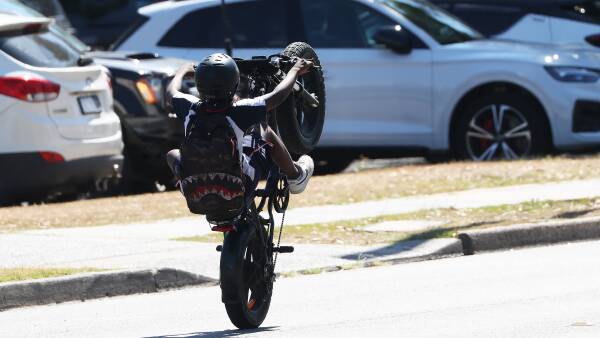
Regulations concerning shared e-bikes like Lime and Beam require riders to be at least 16 to 18 years of age, depending on the city. In contrast, privately owned e-bikes in most areas of Australia have no age restrictions, placing younger riders at greater risk. Sadly, many accidents involve modified or illegal e-bikes that can reach speeds beyond the legal limits.
A report from RACS highlights a significant rise in e-scooter-related injuries and fatalities, placing additional pressure on first responders and healthcare systems. In a bid to enhance safety, NSW Shadow Transport Minister Natalie Ward announced on social media that children under 18 using e-bikes for commercial purposes or participating in shared services will soon be required to have a license plate. This measure aims to ensure accountability and safety among younger riders.
According to a study conducted by the University of Melbourne, many e-bikes used by children are either technically illegal or modified. Associate Professor Milad Haghani noted that conversion kits readily available online can remove speed limiters, allowing standard bikes to reach highway speeds. The accessibility of online tutorials for these modifications poses a significant challenge, particularly given the minimal enforcement of existing regulations.
Injuries among young riders are concerning, with the Royal Melbourne Hospital reporting that upper limb injuries account for 53 percent of e-bike accidents. Additionally, young males are most likely to visit hospitals for e-bike-related injuries. Other common injuries include head trauma, abrasions, and fractures, with younger riders being twice as likely to suffer traumatic brain injuries compared to those on traditional bicycles.
Currently, there are approximately 1.35 million e-mobility devices in households across New South Wales, with around 570,000 classified as e-bikes, according to Transport NSW. As the popularity of these devices continues to grow, the urgent call for effective regulations and safety measures remains critical.
As families consider gifting e-bikes this Christmas, the prevailing concerns surrounding safety and legality warrant careful thought. The tragic loss of young lives serves as a poignant reminder of the need for vigilance and responsibility in the use of e-mobility devices.