Manchester United has reached a significant financial milestone, with net debt exceeding $1 billion for the first time. This surge is attributed to summer spending aimed at player recruitment, pushing the club’s overall debt to its highest level since the Glazer family’s takeover in 2005. According to the club’s first-quarter accounts published on October 26, 2023, United’s noncurrent borrowings amounted to £481 million ($644 million). When combined with an additional £105 million drawn from their revolving credit facility, total borrowings rose to £749 million ($1.002 billion).
The Glazer family, who also own the NFL’s Tampa Bay Buccaneers, acquired Manchester United in a leveraged buyout that left the club burdened with debt. Since then, the club has been managing this financial strain while striving for competitiveness on the field. In February 2024, the INEOS Group, led by Britain’s richest man, Sir Jim Ratcliffe, became minority owners after purchasing a 27.7% stake in the club for £1.3 billion. Ratcliffe and INEOS have since initiated a cost-cutting strategy aimed at enhancing the club’s financial sustainability.
Despite the concerning increase in debt, United’s Chief Executive Omar Berrada expressed confidence in the club’s financial trajectory. He stated that the latest results demonstrate “strong progress in our transformation of the club.” This transformation comes in a season where the men’s team is currently without European football but reported a £13 million operating profit for the first three months of the current campaign, a notable turnaround from a £6.9 million loss during the same period last year.
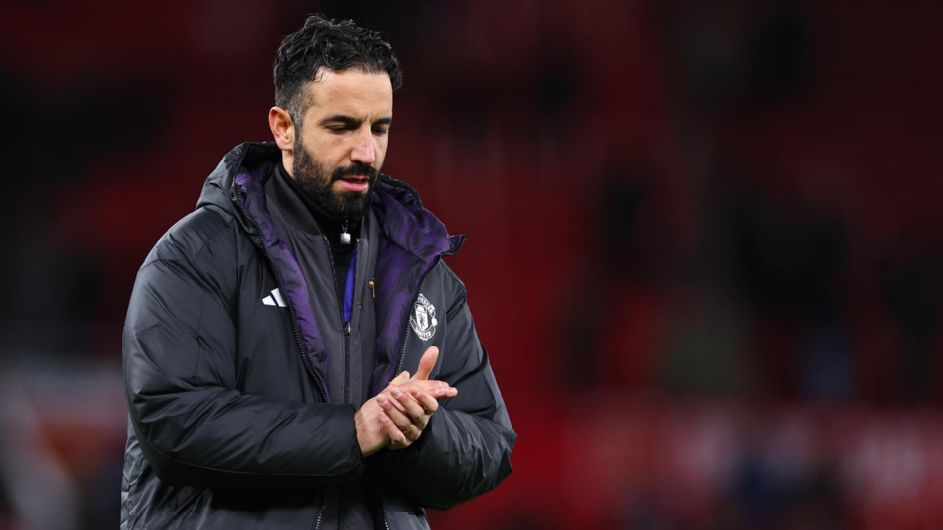
Revenue for the quarter decreased by 2% to £140.3 million, primarily due to the absence of continental competition for the men’s team, which is currently ranked sixth in the Premier League under the management of Ruben Amorim. In contrast, the women’s team, coached by Marc Skinner, is performing well, sitting third in the Women’s Super League and competing in the Women’s Champions League.
Berrada highlighted that the club’s financial resilience reflects its ongoing transformation. He noted that “the difficult decisions we have made in the past year have resulted in a sustainably lower cost base and a more streamlined, effective organisation equipped to drive the club towards improved sporting and commercial performance over the long term.”
The financial statement revealed that United has seen the benefits of operational cost and headcount reduction programs implemented in the previous year. Under INEOS, a large-scale redundancy scheme was introduced, contributing to exceptional costs of £8.6 million in the first quarter of fiscal 2026. As a result, employee benefit expenses fell by £6.6 million compared to the previous year, totaling £73.6 million.
Sponsorship revenue also faced challenges, declining by 9.3% to £47 million, largely due to the end of the training kit partnership with Tezos. Nevertheless, Manchester United remains optimistic, projecting revenues between £640 million and £660 million for the fiscal year.
In summary, Manchester United grapples with unprecedented debt levels while navigating a challenging financial landscape. The club’s leadership remains focused on restructuring efforts that aim to enhance both its sporting and commercial capabilities in the long run.