The recent shooting at a Hanukkah event in Bondi has left Australia reeling, with Prime Minister Anthony Albanese pledging to eradicate the “hate, violence and terrorism” that contributed to the tragedy. The incident, which occurred on the evening of December 10, 2023, resulted in the deaths of 12 individuals, including one of the gunmen, marking it as the deadliest mass shooting in Australia since the Port Arthur massacre in April 1996.
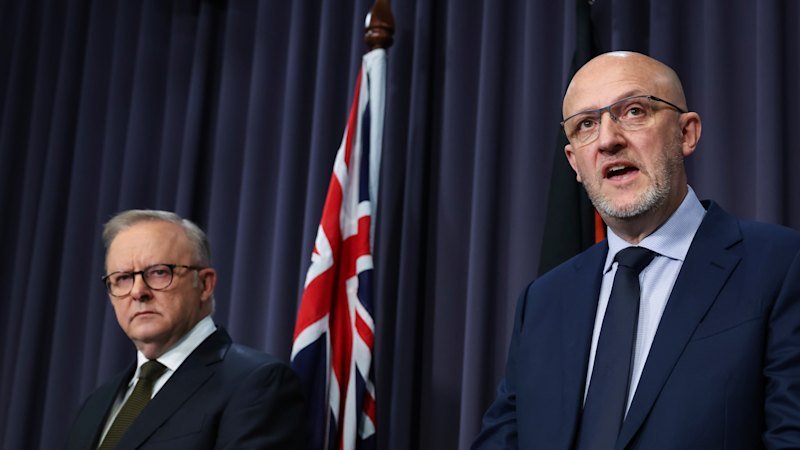
During a late-night press conference following a meeting of the National Security Committee, Albanese addressed criticisms regarding his government’s handling of antisemitism. Some members of the Jewish community expressed concerns that authorities had not acted decisively enough to prevent such violence. Albanese firmly rejected these claims, stating, “We have taken it seriously and we’ve continued to act.” He added that increased security measures for Jewish institutions would be considered as part of the government’s response.
Both the New South Wales (NSW) police and the Australian Security Intelligence Organisation (ASIO) confirmed that one of the gunmen had previously been known to them. However, they clarified that there was no intelligence suggesting an imminent threat from the individual. ASIO Director-General Mike Burgess emphasized the need for a thorough investigation, saying, “We need to look into what happened.” He noted that the terror alert level would remain at “probable,” indicating a greater than 50 percent chance of an attack, unless further evidence suggested otherwise.
NSW Police Commissioner Malcolm Lanyon urged the public to remain calm, reiterating that while one of the shooters was known to authorities, there had been no specific threat posed by that individual. Lanyon stated, “If the police had had intelligence that there was a risk to the community or to this event, we would have taken significant action.”
In the wake of the attack, former Prime Minister Scott Morrison condemned the violence, describing it as an act of “unspeakable hate and evil terror.” Meanwhile, Jewish organizations have voiced their outrage, with Colin Rubenstein, executive director of the Australia/Israel & Jewish Affairs Council, arguing that the rise in antisemitic rhetoric had long been a warning sign that violence was imminent. He stated, “We have warned for years that the unceasing antisemitic vitriol on our streets would evolve into antisemitic violence if left unchecked.”
International reactions have poured in, with Israeli President Isaac Herzog urging the Australian government to take stronger measures against antisemitism. His comments echoed sentiments from US officials, including Ambassador to Israel Mike Huckabee, who criticized Albanese’s response for failing to address the attack’s motivations.
As the situation unfolds, Albanese expressed solidarity with the Jewish community, stating, “We stand with you. We embrace you, and we reaffirm tonight that you have every right to be proud of who you are and what you believe.” He pledged that every necessary resource would be dedicated to ensuring the safety of the Jewish population.
Opposition Leader Sussan Ley offered her support for the government’s response to the attack, emphasizing the need for effective action against such incidents. In contrast, Pauline Hanson, leader of One Nation, directed criticism at the government for not heeding prior warnings about rising antisemitism and the potential for violence.
As investigations continue, authorities aim to determine whether additional suspects were involved in the attack. The community is left grappling with the aftermath of this shocking event, which has raised pressing questions about the growing threat of hate-driven violence in Australia.