




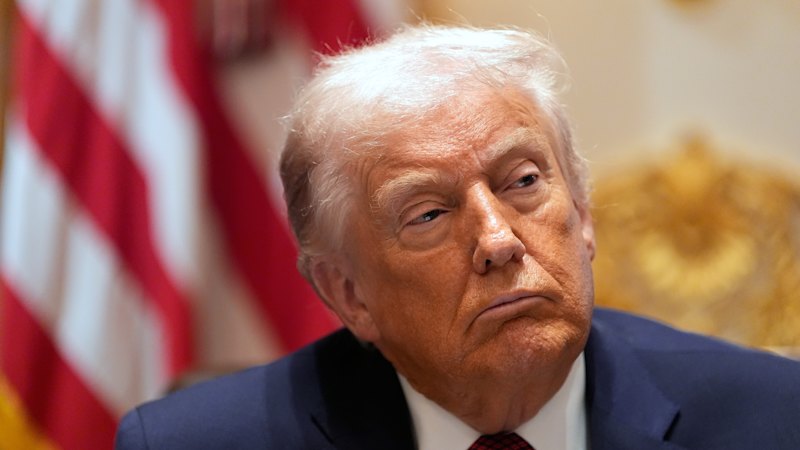
UPDATE: Major setbacks are unfolding for Donald Trump as he attempts to secure a share of the €210 billion ($370 billion) of frozen Russian assets in Europe while negotiating with Nvidia over chip sales to China. Both deals are now facing significant hurdles, with the European Union invoking emergency powers to indefinitely freeze Russian funds, complicating Trump’s strategy.
Earlier today, the EU confirmed its decision to utilize emergency legislation to extend the freeze on Russian assets, which had previously required renewal every six months. The new measures mean that a majority of EU member states can now maintain the freeze, reviewed annually. This move not only restricts Russia’s access to funds but also establishes the EU as a key player in peace negotiations, as these assets may be leveraged for support to Ukraine.
Russia has responded swiftly, filing a lawsuit against Euroclear, the Belgium-based clearing house holding the majority of the assets, and threatening further legal actions to protect its interests. The Kremlin’s stance underscores the contentious nature of these negotiations, as it seeks to regain control over the funds crucial for its economic stability.
“The freeze on assets complicates negotiations and limits Russia’s ability to engage in financial transactions,” stated Ursula von der Leyen, President of the European Commission.
Meanwhile, Trump has faced challenges in his negotiations with Nvidia regarding the sale of its H200 chips to China. After extensive lobbying from Nvidia’s CEO Jensen Huang, Trump announced earlier this month he would permit the sale of these less advanced chips in exchange for a 25% revenue cut. However, the Chinese market, which has shown hesitance in accepting US technology, may not yield the expected profits.
In a surprising twist, despite Trump’s earlier decision to lift a ban on chip sales, China has been less enthusiastic about acquiring the H200, which is significantly more powerful than its predecessor, the H20. Analysts suggest that China’s national security concerns, including fears of embedded tracking technology, could lead to restrictions on purchases of US chips.
Trump’s dual ambitions of securing deals with Russia and Nvidia reflect his transactional approach to international relations, but the current landscape presents formidable challenges. The EU’s decisive action limits Russia’s leverage, complicating Trump’s efforts to negotiate favorable terms.
As the situation develops, observers are keenly watching how these negotiations unfold. The EU’s firm stance could reshape the dynamics of international negotiations, while Trump’s ambitions to profit from both deals face increasing scrutiny and potential failure.
What happens next remains uncertain, but the implications of these stalled negotiations could have lasting impacts on US-Russian relations and the global technology market. Stakeholders are now left questioning whether Trump can navigate these complex geopolitical waters effectively.
Stay tuned for further updates as this story develops and impacts global markets and international relations.
