The Hong Kong Polytechnic University (PolyU) has introduced a groundbreaking acid-resistant hydrogel, termed the ultra-stable mucus-inspired hydrogel (UMIH), which shows significant potential for advancing gastrointestinal medicine. Traditional hydrogels, while effective in wound healing and drug delivery, typically degrade in acidic environments, such as the stomach. The development of UMIH provides a solution, adhering 15 times more effectively than existing gastric mucosal protectants, thereby enhancing prospects for wound repair and targeted drug delivery.
In collaboration with researchers and clinicians from Sichuan University, the PolyU team conducted extensive research to demonstrate the efficacy of UMIH. Their findings reveal that UMIH substantially improves gastrointestinal wound healing in animal models, surpassing the performance of a clinically approved mucosal protectant currently used to safeguard the stomach lining. The study, published on March 15, 2024, in Cell Reports Physical Science, highlights UMIH’s potential for large-scale commercial use.
Research Breakthroughs and Mechanisms
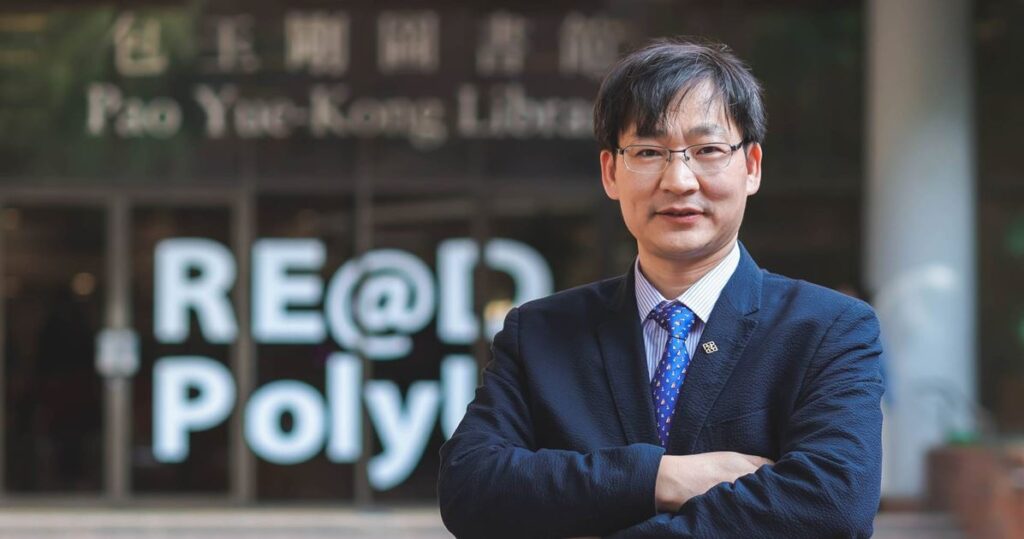
Leading the research, Prof. WANG Zuankai, Associate Vice President (Research) at PolyU, emphasized UMIH’s promise in treating conditions such as gastroesophageal reflux and gastric ulcers. He noted its capability to protect post-surgical wounds and its compatibility with endoscopic drug delivery systems for minimally invasive therapies.
Experimental data reveal that under simulated gastric conditions (pH 2), UMIH achieved a wet adhesion strength of 64.7 kilopascals (kPa), which is 15 times greater than that of aluminium phosphate gel (APG), the established mucosal protectant. While APG fully degrades after three days, UMIH retains about 50% of its structural integrity after seven days. This remarkable stability is crucial for effective gastrointestinal treatment.
The hydrogel is composed of a network of polymers, designed to absorb water and create a gel-like consistency. To further enhance its acid resistance, the PolyU team integrated three key molecular components: ELR-IK24, a protein that binds hydrogen ions; tannic acid for improved adhesion; and HDI, a molecule that stabilizes the hydrogel structure in acidic conditions.
Research Associate Ms. Yeung Yeung CHAU described UMIH as a synergistic combination of these components, allowing it to remain intact in strong acid while maintaining desirable qualities for clinical applications, such as softness and injectability.
Promising Results in Animal Trials
The research team conducted tests using pig and rat models of esophageal injury. Findings indicated that UMIH adhered more effectively to wound surfaces compared to control animals and those treated with APG. Results showed a significant reduction in tissue damage and inflammation, alongside an enhancement in the growth of new blood vessels, a vital factor in the healing process.
Postdoctoral Fellow Dr. Xiao YANG noted that UMIH demonstrated no signs of toxicity in vitro and effectively inhibited the growth of Escherichia coli and Staphylococcus aureus, indicating its antibacterial properties.
While clinical trials will be necessary to confirm UMIH’s safety and efficacy in human subjects, its low production cost and easy scalability position it favorably for commercialization. The hydrogel’s components have established safety profiles, making it suitable for both immediate clinical use and mass production.
Looking to the future, the PolyU research team aims to integrate UMIH with drug delivery systems and develop implantable flexible electronics. This would result in smart gastrointestinal devices capable of real-time treatment and monitoring, further revolutionizing patient care in gastrointestinal medicine.