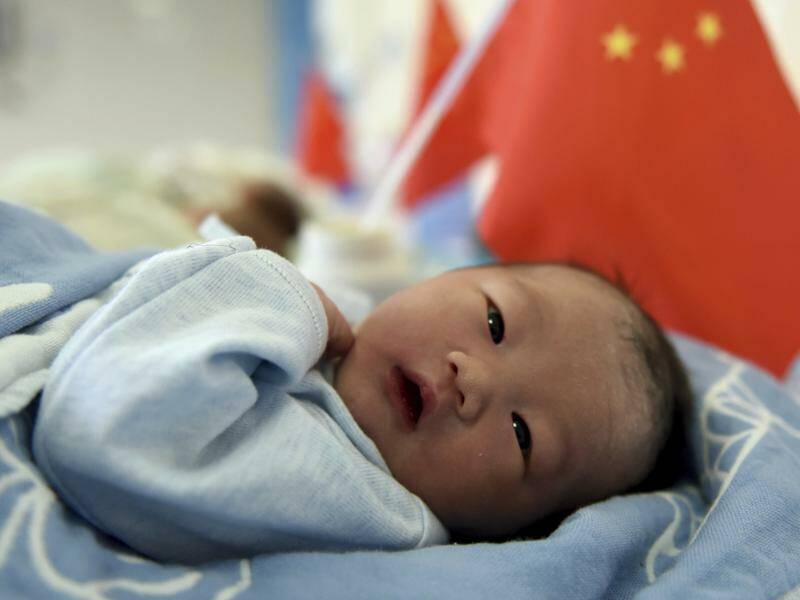
China will implement a policy to cover all out-of-pocket expenses related to childbirth starting in 2026. This initiative aims to encourage more young couples to have children as the nation faces declining birth rates. The announcement comes from the country’s National Healthcare Security Administration, which stated that the reimbursement will include all policy-covered medical expenses associated with childbirth, such as prenatal check-ups.
This development is part of China’s broader effort to address its population decline, which began in 2022, marking the first decrease in decades. According to demographers, the trend is expected to persist through 2024, exacerbated by a shrinking workforce and an increasing elderly population. These demographic shifts pose significant challenges for local governments already grappling with financial strains.
China’s birth rates have been in decline for years, largely due to the long-standing one-child policy that was enforced from 1980 until 2015. Urbanization, rising costs of childcare and education, job uncertainty, and a slowing economy have also contributed to a reluctance among young couples to marry and start families.
Regional Efforts to Encourage Childbirth
Several provinces, including Jilin, Jiangsu, and Shandong, have already introduced measures to alleviate the financial burden of childbirth, making it nearly free for families. These regional efforts complement the national strategy aimed at revitalizing birth rates.
In March 2024, authorities reiterated their commitment to addressing the needs of both the elderly population and young families. Plans include providing childcare subsidies and making preschool education free of charge. Previous initiatives to incentivize births have included expanding maternity leave, offering financial and tax benefits, and providing housing subsidies.
The comprehensive approach reflects a recognition of the urgent need to reverse the declining birth rates and ensure future economic stability. As China prepares for 2026, the government hopes these measures will create a more supportive environment for young couples contemplating parenthood.