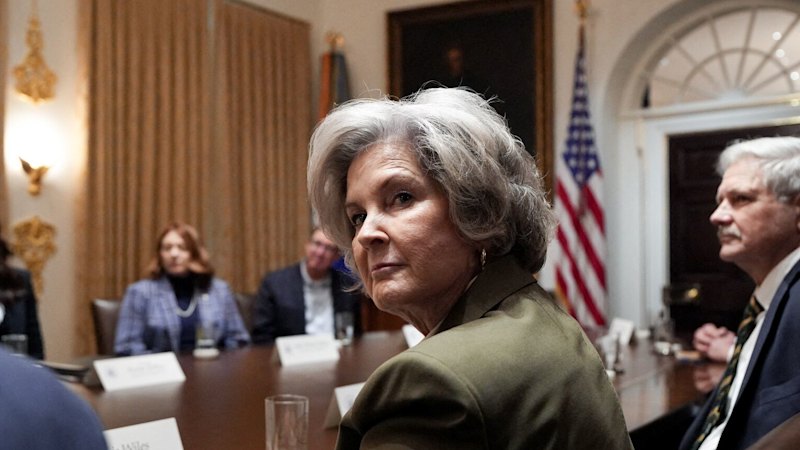
In a revealing series of interviews with *Vanity Fair*, Susie Wiles, chief of staff to former President Donald Trump, expressed her unfiltered views about his leadership and personal characteristics. Wiles characterized Trump as having “an alcoholic’s personality,” casting doubt on his suitability for the presidency and raising questions about his decision-making capabilities.
Wiles, who has been a long-time ally of Trump, shared her insights during discussions held in September 2023. The interviews provided an intimate glimpse into her perceptions of the former president, which starkly contrasts with the public image he has cultivated over the years. According to the interviews, Wiles suggests that Trump’s behavior often mirrors traits associated with addiction, which she believes has significant implications for his leadership style.
In her reflections, Wiles did not shy away from addressing the tumultuous nature of Trump’s presidency. She described him as a “conspiracy theorist” and a “right-wing zealot,” indicating her concerns about his alignment with extreme political ideologies. Her remarks highlight a growing divide among those who have supported Trump in the past, as some begin to reconsider their positions in light of his actions and rhetoric.
The interviews have garnered significant attention, drawing reactions from various political analysts and commentators. Many noted that Wiles’ candidness may reflect a broader sentiment among former aides and associates who are grappling with their experiences in Trump’s inner circle. This revelation could potentially influence public perception and political discourse as the nation approaches the next electoral cycle.
Wiles’ comments come at a time when Trump continues to maintain a strong influence within the Republican Party. Despite the controversies surrounding his presidency, he remains a prominent figure, consistently polling as a leading candidate for the party’s nomination in the upcoming election. As the political landscape evolves, the implications of Wiles’ remarks may resonate with voters, particularly those who are concerned about the future direction of the Republican Party.
While Wiles has been a staunch supporter of Trump, her recent disclosures suggest a deep ambivalence about his leadership. This shift could signify a turning point for individuals within his camp who are reconsidering their loyalty as the political climate becomes increasingly polarized.
The interviews serve as a reminder of the complexities of political allegiance and personal conviction. As Wiles reflects on her experiences, her insights may contribute to a deeper understanding of the challenges faced by those who navigate the tumultuous waters of high-stakes politics. The conversations with *Vanity Fair* not only shed light on Wiles’ perspective but also offer a glimpse into the evolving dynamics within the Republican Party as it prepares for the challenges ahead.