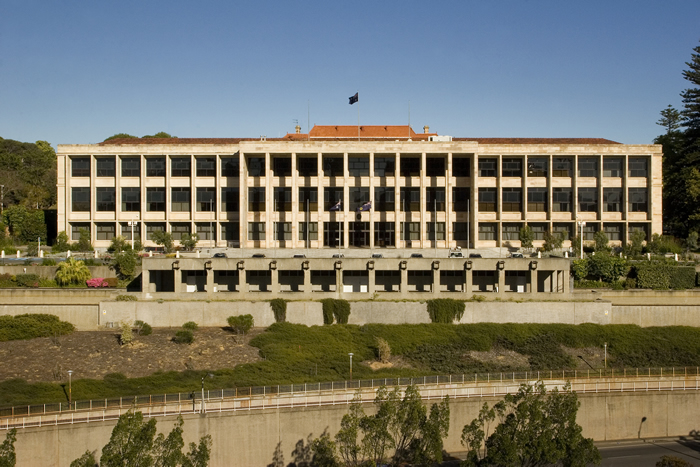
The Australian Academy of Science has expressed cautious optimism regarding the Australian Government’s announcement of one-off funding allocations of $233 million for the Commonwealth Scientific and Industrial Research Organisation (CSIRO) and $40.8 million for the Australian Nuclear Science and Technology Organisation (ANSTO). This funding, detailed in the mid-year economic and fiscal outlook (MYEFO), is perceived as a preliminary measure to bolster government-supported scientific research.
Despite the welcome financial boost, the Academy emphasizes the necessity for a comprehensive strategy to address the long-term decline in research and development (R&D) funding in Australia. According to Professor Chennupati Jagadish AC, President of the Academy, reversing over a decade of funding reductions cannot be achieved through a single budgetary provision. The Academy anticipates that the upcoming Denholm Report, which reviews the Australian R&D system, will advocate for a reversal of the declining investment levels and propose policies that recognize R&D as a strategic national asset essential for economic growth, national security, and enhanced intergenerational well-being.
Professor Jagadish stated, “More than 10 years of decline in science funding cannot be restored in one budget. The Academy urges the Albanese Government to consider the recommendations of the Strategic Examination of R&D and commit to long-term R&D reform and investment.” He highlighted the critical need for sustained investment in science and technology, describing these areas as vital for addressing significant technological, geopolitical, and environmental challenges.
In a further critique, Professor Jagadish pointed out cuts to the Global Science and Technology Diplomacy Fund (GSTDF), which he believes reflect a lack of understanding of the importance of international research partnerships. The GSTDF plays a crucial role in supporting strategic collaborations in priority areas such as advanced manufacturing, artificial intelligence, quantum computing, hydrogen production, and RNA technologies, particularly with partners in the Asia-Pacific region.
He remarked, “The cut to the GSTDF is shortsighted. It was only in September that Minister Ayres publicly expressed his enthusiasm for the fund and acknowledged that Australia is stronger, smarter, safer, and more resilient when it engages in international research collaboration.”
The Australian Academy of Science’s perspective highlights the urgent need for a holistic approach to R&D funding, underscoring that immediate financial boosts, while beneficial, are insufficient to reverse the trend of declining investment in scientific research. As the government navigates these challenges, the Academy calls for a sustained commitment to fostering an environment where science and technology can thrive, ultimately benefiting both the economy and society at large.