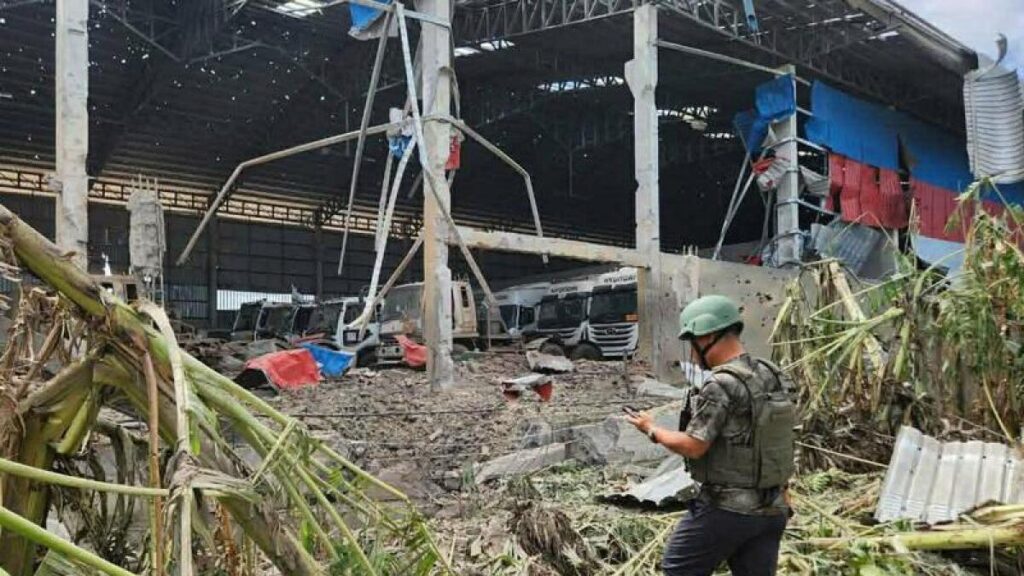
Escalating tensions along the Thailand-Cambodia border have prompted urgent diplomatic efforts from both the United States and China. On Friday, US Secretary of State Marco Rubio reached out to Thai Foreign Minister Sihasak Phuangketkeow, emphasizing the need for Thailand to de-escalate the situation and adhere to a ceasefire agreement. This communication follows a series of clashes that have intensified significantly since the last ceasefire in July.
In tandem with the US, Chinese Foreign Minister Wang Yi engaged with his counterparts from Thailand and Cambodia on Thursday. According to China’s foreign ministry, both ministers expressed a strong desire to reduce tensions and work towards a ceasefire. The ministry highlighted the alarming intensity of the recent conflicts, stating, “The intensity of this round of clashes has far exceeded previous incidents, and if it continues, it will benefit neither side and will undermine ASEAN unity.”
Diplomatic Efforts Ahead of ASEAN Meeting
The Thai foreign ministry confirmed that Sihasak reiterated Bangkok’s position during the call with Rubio and discussed potential steps forward, including participation in the upcoming ASEAN meeting on December 11 in Kuala Lumpur. The meeting will represent the first face-to-face dialogue between the involved nations since combat resumed on December 8.
Cambodian Foreign Minister Prak Sokhonn is also expected to attend the ASEAN meeting, which has drawn cautious optimism from Malaysian Prime Minister Anwar Ibrahim, the ASEAN chair. Ibrahim noted that both Thailand and Cambodia’s leaders are keen to achieve a peaceful resolution. The two nations have been embroiled in disputes over sections of their 800 km land border, leading to a breakdown of the truce initially brokered in July and a subsequent agreement aimed at resolving the conflict in October.
Tensions have been exacerbated since Thailand suspended de-escalation measures in November due to the maiming of a Thai soldier by a landmine, which Bangkok alleges was laid by Cambodia. In response, Thailand has maintained that any cessation of hostilities must begin with a clear ceasefire proposal from Cambodia, which it accuses of military aggression. Cambodia, on the other hand, insists it is acting in self-defense against Thai military actions.
Continued Fighting and Regional Implications
The hostilities have persisted, with reports of heavy weapons being fired from Cambodia into Thai territory, prompting retaliatory actions from Thailand. A spokesperson for the Thai defense ministry confirmed that fighting continued across the border on Friday.
As both nations prepare for the ASEAN meeting, the international community watches closely. The outcome of these diplomatic discussions may significantly impact not only Thailand and Cambodia but also the broader stability within the region, particularly in relation to the objectives of the Association of Southeast Asian Nations (ASEAN). The urgency for peace is underscored by the potential for further escalation if no resolution is reached.