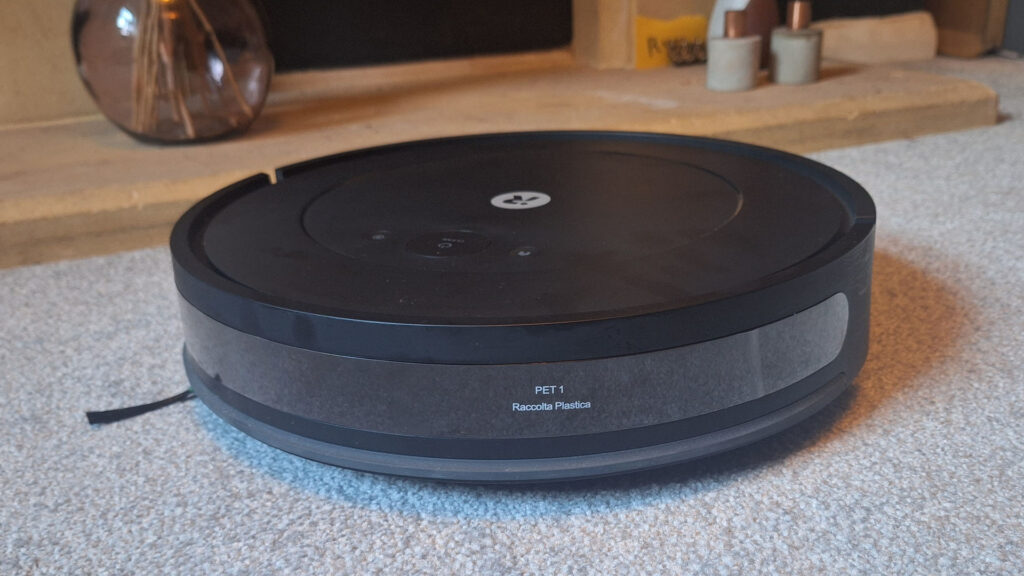
iRobot, the company renowned for its Roomba robotic vacuum, has been acquired by Chinese contract manufacturer Picea. This development, announced earlier this week, comes after years of financial difficulties for iRobot. While the acquisition has drawn criticism, CEO Gary Cohen emphasized a positive outlook, stating that this transition marks a revitalizing chapter for the company.
Cohen, who took the helm in May 2024 following a failed acquisition attempt by Amazon, described the acquisition as a “reboot.” He highlighted that the deal not only stabilizes iRobot’s financial situation but also protects numerous stakeholders, preserving 500 jobs in the process. “This sets iRobot on a new path, a new beginning,” Cohen remarked, reinforcing the notion that the brand will continue to thrive.
The acquisition allows iRobot to maintain its headquarters in Bedford, Massachusetts, where its innovation teams will continue to operate alongside international partners. Picea has been associated with iRobot for over a year, serving as one of its contract manufacturers prior to the acquisition. Cohen noted that the partnership began just before the Amazon deal was abandoned, underscoring the longstanding relationship between the two companies.
Picea’s involvement was pivotal as iRobot sought to eliminate its legacy product lines within a year, which involved a collaborative effort in engineering and development. “We still kept our innovation engine,” Cohen explained, detailing how iRobot set the specifications while Picea handled engineering, tooling, purchasing, and testing.
A Strategic Partnership
Cohen emphasized that this acquisition should not be viewed solely through the lens of foreign ownership; rather, it represents a strategic partnership that has proven effective. “This isn’t a story about being taken over by a Chinese company. This is a story of a partner saving a company,” he stated, reflecting on the positive rapport established with Picea.
The arrangement falls under a Chapter 11 bankruptcy framework, allowing iRobot to restructure while continuing operations. According to iRobot’s statement, Picea will gain “100% of the equity interests in the Company.” This financial restructuring aims to streamline operations, with Cohen asserting that the integration of both companies will foster a more cohesive work environment.
Looking ahead, iRobot is already collaborating with Picea on its upcoming product lineup for 2026. Cohen is optimistic that the partnership will enable the company to deliver innovative products more efficiently. “By partnering with them, we have over 1,000 patents. Collectively, we’ll be able to put the best brains together from a technical standpoint,” he said, highlighting the benefits of shared expertise.
Picea, although relatively new, has doubled its size within three years and is becoming a significant player in the contract manufacturing landscape for robotic vacuums. Cohen believes that their strengths extend beyond manufacturing, incorporating technical ingenuity as well. “They’ve got some brilliant software robotic scientists. We do as well,” he added, indicating that this collaboration is set to enhance product development.
The new product lineup, which features enhancements introduced through this partnership, is in the process of being launched. While initial models have not met overwhelming success, the groundwork laid by Picea has instilled confidence in Cohen regarding their potential.
As iRobot navigates this new phase, its emphasis on collaboration and innovation may redefine its trajectory in the competitive market of robotic vacuums. The future, according to Cohen, looks promising, fueled by a renewed focus on quality and performance driven by this strategic partnership.