Tonight, December 20, 2023, marks the beginning of the waxing crescent phase for many observers in the United States. However, in various regions worldwide, this date coincides with the New Moon, a time when the Moon is positioned directly between Earth and the Sun, obscuring its illuminated side from view.
According to NASA’s Daily Moon Observation, as of this evening, the Moon will be completely dark with 0% illumination. This means there will be minimal visibility of any lunar features, making it an ideal time for stargazers to focus on other celestial events.
Upcoming Lunar Events
The next significant lunar event is scheduled for January 3, 2024, when the full moon will illuminate the night sky. Just prior to this, the last full moon occurred on December 4, 2023, offering a bright spectacle to those able to witness it.
Understanding the Moon’s phases is key to appreciating these events. The lunar cycle, which lasts approximately 29.5 days, includes eight primary phases. As the Moon orbits Earth, it showcases varying amounts of sunlight reflecting off its surface. This leads to its changing appearance, from invisible during the New Moon to fully illuminated at the full moon.
Phases of the Moon
The eight main lunar phases include:
1. **New Moon**: The Moon is positioned between Earth and the Sun, rendering it invisible to the naked eye.
2. **Waxing Crescent**: A small sliver of light appears on the right side, gradually increasing in visibility.
3. **First Quarter**: Half of the Moon is illuminated on the right side, resembling a half-moon.
4. **Waxing Gibbous**: More than half of the Moon is visible, though it has not yet reached full illumination.
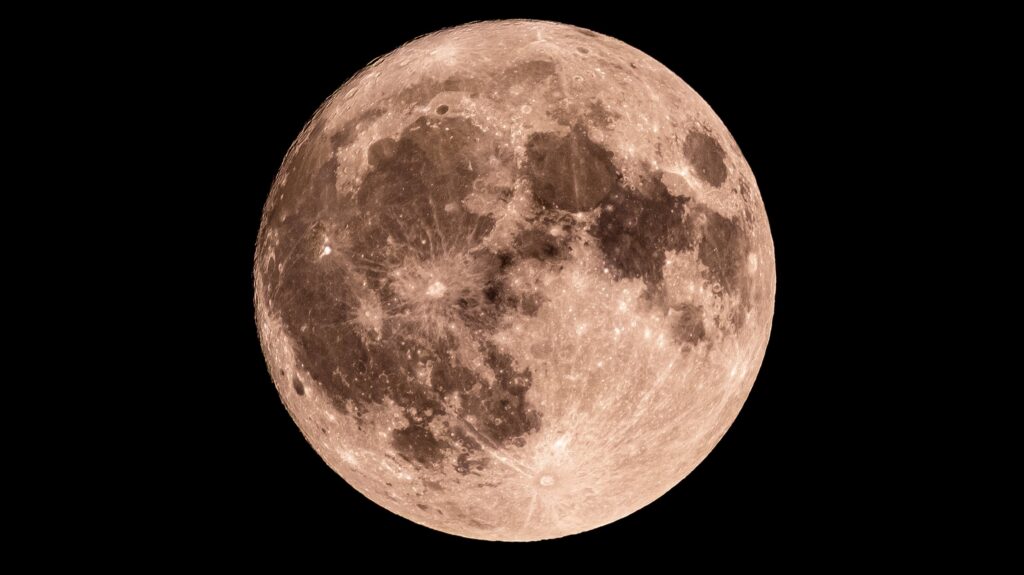
5. **Full Moon**: The entire face of the Moon is illuminated, offering a stunning view.
6. **Waning Gibbous**: The Moon begins to lose light on the right side.
7. **Third Quarter (Last Quarter)**: Half of the Moon is lit again, but this time the left side is visible.
8. **Waning Crescent**: A thin crescent of light remains on the left side before returning to darkness.
These phases are not just astronomical events; they have been significant in various cultures throughout history, influencing calendars, agriculture, and even mythology.
In conclusion, whether you are in the U.S. or elsewhere, tonight’s waxing crescent Moon is a reminder of the ongoing cycle of our lunar neighbor. As we look forward to the next full moon in January, enthusiasts can take this opportunity to explore the night sky and appreciate the beauty of the cosmos.