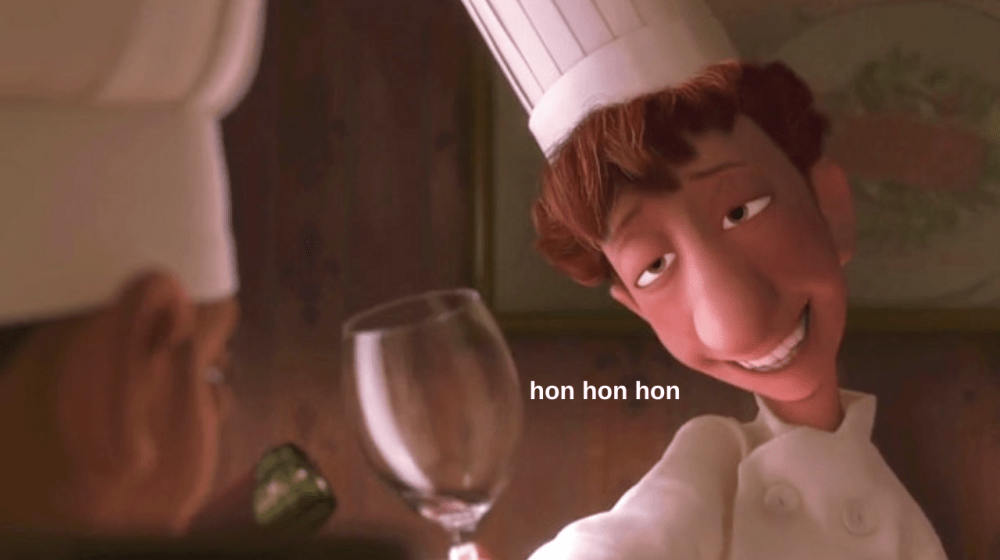
The character of Alfredo Linguini in Pixar’s animated film Ratatouille has sparked debate among fans, with some suggesting he embodies the film’s true antagonist. This perspective, while controversial, calls into question his actions and motivations throughout the story.
Many viewers recognize Linguini as the son of acclaimed chef Auguste Gusteau. Upon inheriting the restaurant after Gusteau’s passing, Linguini’s rise in the culinary world raises eyebrows. Critics argue that his success is largely due to his famous lineage rather than personal merit. The immediate adoration he receives upon revealing his identity as Gusteau’s son seems to exemplify the privileges associated with nepotism.
Linguini’s villainous traits become evident early on when he accidentally spills a pot of soup during his first day working under chef Skinner. Instead of reporting his mistake, he attempts to salvage the soup in a haphazard manner, adding what appears to be an excessive amount of raw leeks. This reckless decision nearly leads to a disastrous outcome, showcasing his lack of accountability.
While one could argue that Linguini’s actions stemmed from fear of losing his job, his choices reflect a troubling disregard for the culinary integrity expected at Gusteau’s. If it weren’t for the intervention of Remy, the rat who becomes his secret culinary partner, the ruined soup would likely have been served to unsuspecting customers.
Despite his reliance on Remy’s talent, Linguini often puts his own interests first. Initially, their arrangement appears mutually beneficial, with Remy receiving shelter and food in exchange for his cooking skills. However, critics argue that Linguini ultimately exploits Remy’s abilities for personal acclaim, garnering praise and recognition while the true talent remains in the shadows.
The dynamic between Linguini and Remy highlights the imbalance in their relationship, particularly when Linguini takes credit for the culinary masterpieces crafted by the rat. The revelation of his heritage seems to inflate Linguini’s ego, leading him to claim that his cooking prowess is “in his blood.” This moment serves as a turning point, as it emphasizes his detachment from the hard work and creativity that actually contribute to Gusteau’s success.
Linguini does show some redeeming qualities, such as his kindness towards Remy, particularly when he chooses not to harm him. Yet, this gesture is overshadowed by his self-serving nature. When he finally acknowledges Remy’s contributions at a critical moment before the arrival of food critic Anton Ego, it appears less an act of genuine recognition and more a response to personal fear.
Throughout the film, Linguini’s character development is evident, culminating in his decision to step back and allow Remy and Colette to take charge of the kitchen. This moment is significant, as it marks a departure from his earlier self-centered tendencies. The opening of their restaurant, La Ratatouille, adds a sweet note to the conclusion, but it does not absolve him of his earlier missteps.
In summary, while Linguini may not fit the traditional mold of a villain, his actions throughout Ratatouille reveal a troubling complexity. His character can be seen as a reflection of privilege and the ethical dilemmas that arise within creative professions. As discussions about the film continue, it is essential to consider the implications of Linguini’s journey and the impact of his choices on those around him. The discussions surrounding this beloved film remind audiences that even the most charming characters can harbor darker qualities.