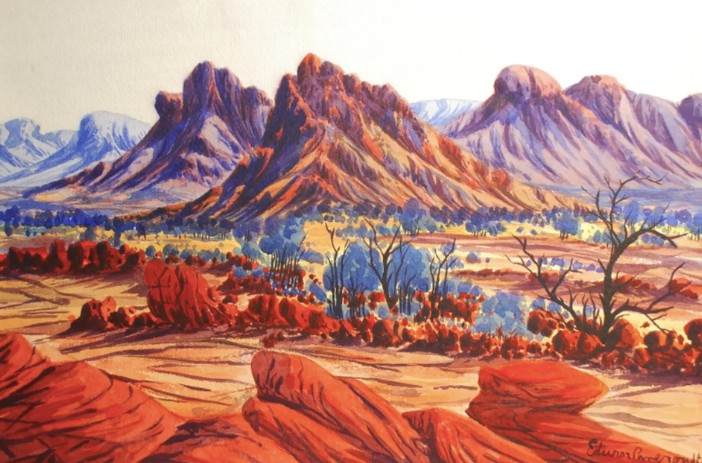
Alice Springs faces significant challenges in revitalizing its tourism sector, which many hoped would rebound by 2026. Current conditions suggest that aspirations for economic recovery may be overly optimistic, as major projects remain elusive. The West MacDonnell National Park, a key attraction covering 2,568 square kilometres, still lacks adequate accommodation options beyond camping facilities.
According to Danial Rochford, CEO of Tourism Central Australia, there are ongoing discussions with the G’day Group to potentially reopen the Glen Helen resort. However, no concrete plans have been finalized. The only exception to the limited accommodations includes “glamping” tents near Palm Valley, which are Indigenous owned and operated by Intrepid, a prominent name in global tourism, yet offer only approximately 10 beds.
Rochford expressed hope that successful developments could inspire similar projects across the region. He remarked, “Success will breed success,” but acknowledged the risks of failure. The tourism sector has experienced a downturn over the past decade, exacerbated by the impacts of the COVID-19 pandemic, rising crime rates, and other social issues.
Efforts to draw tourists beyond the Ayers Rock Resort, which has seen a significant increase in visitors since the expansion of Connellan Airport, are crucial. Historically, many visitors would travel in and out of Alice Springs, but Rochford emphasizes the need to encourage a broader exploration of the area.
In a bid to rejuvenate the tourism industry, Marie-Clare Boothby, the Northern Territory’s Minister for Tourism, announced a strategy aimed at increasing visitor spending from $1.5 billion to $2.2 billion and boosting overnight trips from 1.2 million to 1.5 million by 2032. While the government’s commitment is clear, the feasibility of these ambitious targets remains uncertain, given the lack of detailed tourism statistics.
Recent figures indicate that Central Australia recorded 2,944,000 overnight stays in 2024, a statistic that includes Ayers Rock Resort. In Alice Springs alone, there were 28,000 room nights available in October 2023, with 20,000 of those utilized. However, comprehensive long-term data on room occupancy is scarce, making it challenging to assess the sector’s recovery accurately.
The town has seen a transformation in its accommodation landscape, with many properties converted to long-term rentals over the past decade, such as the Oasis Motel. Prospective investors, including the owners of the local casino, Iris Capital, have shown interest in enhancing their properties, but no major projects are currently underway.
The Northern Territory government has recently merged its Major Events, tourism promotion, and parks departments to streamline operations, a move that Tourism Central Australia supports. Nonetheless, many in the community are questioning the extent to which Alice Springs relies on government funding, as indicated by the 2021 census data.
The census revealed that hospitals (excluding psychiatric facilities) accounted for 8.8 percent of employment in Alice Springs, compared to 4.5 percent nationally. State government administration represented 6.4 percent locally versus 1.4 percent across Australia. Other social assistance services employed 4.7 percent in Alice Springs, against 2.3 percent nationally.
As stakeholders reflect on the current status of tourism in Alice Springs, there is a pressing need to address the challenges head-on. The potential for a revitalized tourism sector exists, but it will require collaborative efforts, strategic investments, and a commitment to diversifying the visitor experience in the region.