China has announced provisional tariffs of up to 42.7 percent on select dairy products imported from the European Union. This decision follows the conclusion of an anti-subsidy investigation that many interpret as a response to the EU’s tariffs on Chinese electric vehicles. The tariffs, which will take effect on March 5, 2024, will range from 21.9 percent to 42.7 percent, with most companies expected to pay around 30 percent.
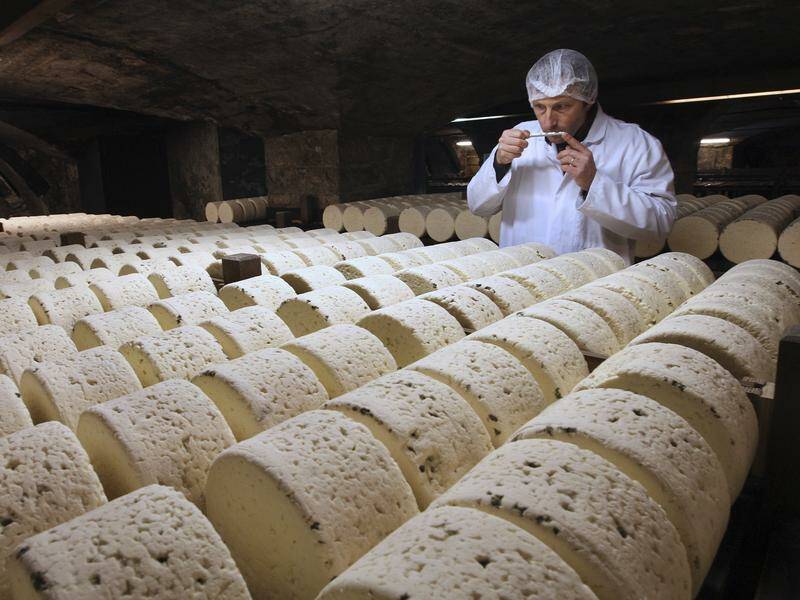
The targeted products include milk and cheese, notably the renowned French blue cheese Roquefort. The European Commission has not provided immediate comments regarding the new tariffs, which are provisional and subject to revision based on a final ruling later this year. This action continues a pattern of increasing trade tensions between China and the EU that escalated in 2023 when the European Commission began its investigation into Chinese-made electric vehicles.
The Chinese government has been actively investigating EU imports since the trade dispute began, imposing tariffs on various products including EU brandy and pork. Last week, China reduced provisional tariffs on pork after a similar investigation, which reflects its tendency to limit the impact of tariffs on major producers. While the Ministry of Commerce has indicated that negotiations regarding the EU’s electric vehicle tariffs resumed recently, no substantial progress has been reported since the talks began.
According to data from the Ministry of Commerce, China imported approximately $589 million worth of dairy products under this investigation in 2024, maintaining figures similar to those from the previous year. The Ministry stated that it found evidence indicating that EU dairy imports were being subsidized and negatively affecting Chinese dairy producers.
Among the companies affected by the new tariffs, Arla Foods, which owns brands like Lurpak and Castello, will see tariffs ranging between 28.6 percent and 29.7 percent. Italian company Sterilgarda Alimenti SpA will incur the lowest tariff rate of 21.9 percent, while FrieslandCampina Belgium N.V. and FrieslandCampina Nederland B.V. will face the highest rate of 42.7 percent. Notably, companies that did not participate in the investigation will also be subject to the maximum tariff rate.
This latest move is likely to be welcomed by Chinese dairy producers, who are currently facing challenges due to a surplus of milk and declining prices. The country’s decreasing birth rates and more cost-conscious consumers have dampened demand in the dairy sector. As a result, the Chinese government has previously urged producers to manage output carefully and consider culling less productive livestock.
As the situation evolves, the impact of these tariffs on both Chinese and European dairy markets will be closely monitored, reflecting the ongoing complexities of international trade relations.