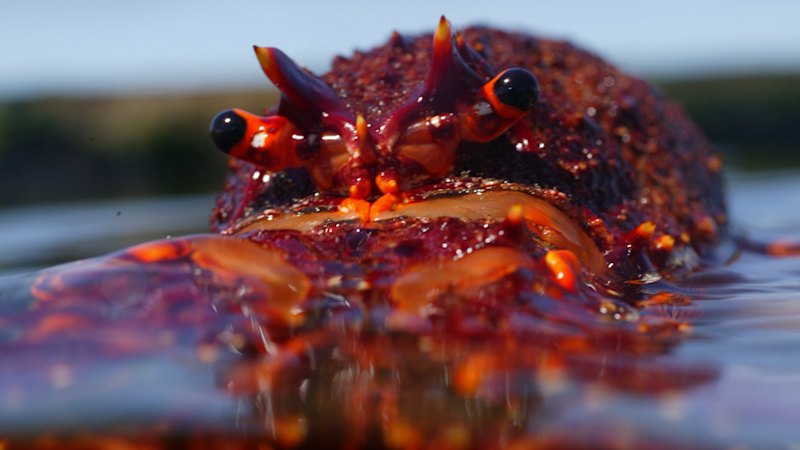
The United Kingdom has announced a ban on boiling live crustaceans, including crabs, lobsters, crayfish, and squid, as part of a broader effort to enhance animal welfare. This decision follows the recognition of these marine animals as sentient beings capable of experiencing pain, a change formalized in the Animal Welfare (Sentencing and Recognition of Sentience) Act 2022.
The ban, which is set to take effect in November 2023, reflects a growing awareness of the ethical treatment of marine life. The legislation aims to ensure that the methods used in the preparation of seafood align with humane standards. The UK Government believes that this change will not only improve the welfare of these animals but also raise public awareness about their sentience.
Legislative Background and Implications
The Animal Welfare (Sentencing and Recognition of Sentience) Act 2022 recognized for the first time that certain invertebrates possess the ability to feel pain. This groundbreaking legislation has paved the way for stricter regulations regarding the treatment of marine animals. Prior to this, the prevailing view did not adequately consider the welfare of creatures such as crabs and lobsters.
The new regulations will prohibit practices like boiling live crustaceans, which have faced increasing scrutiny from animal rights advocates. Proponents of the ban argue that such practices are not only cruel but also unnecessary, as alternative methods for cooking seafood exist. The move has been welcomed by various animal rights organizations, who see it as a significant step toward better treatment of all animals.
Consumer Reaction and Industry Response
Reactions from consumers and the seafood industry have emerged since the announcement. Many consumers express support for the ban, emphasizing the importance of ethical considerations in their food choices. A recent survey indicated that nearly 70% of respondents believe that crustaceans should be treated with the same consideration as other animals.
However, some members of the seafood industry have raised concerns about the potential impact on their businesses. Critics argue that the ban may lead to increased costs and logistical challenges, as alternatives to boiling must be implemented. The industry is now tasked with finding solutions that comply with the new regulations while still meeting consumer demand.
As the UK moves forward with this ban, it sets a precedent for other countries to reconsider their own regulations regarding the treatment of crustaceans and other marine life. The global seafood market could see a shift in practices as more nations evaluate the ethical implications of their food production methods.
This legislative change marks an important moment in the ongoing dialogue about animal rights and welfare. By acknowledging the sentience of crustaceans, the UK Government is not only responding to public demand for more humane treatment of animals but also encouraging a broader cultural shift towards empathy and responsibility in our interactions with all living beings.