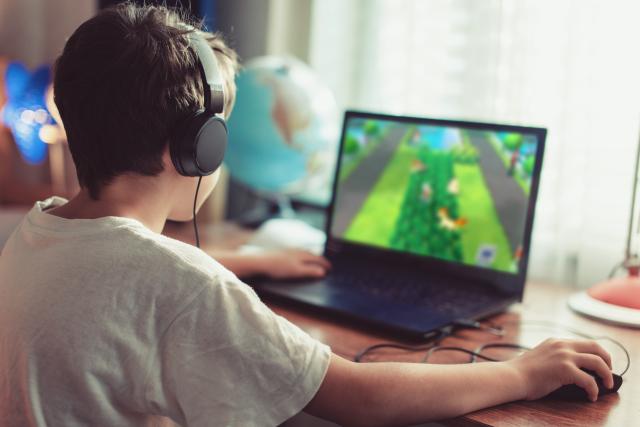
Researchers from the University of South Australia have found that primary school children become significantly less active during school holidays, which leads to increased screen time and poorer dietary habits. In a groundbreaking study, the researchers assessed the activity levels and behaviors of 358 primary school students in Grades 4 and 5, revealing concerning trends associated with holiday breaks.
During the school holidays, children aged 9 to 10 were observed to be sedentary for an additional 27 minutes each day and engaged in 12 minutes less physical activity compared to the school term. The study noted that these children spent over an hour more on screens, with their screen time increasing by a striking 39 percent during holidays.
Health Implications of Increased Screen Time
Dr. Amanda Watson, the lead researcher, emphasized the negative impact of these changes on children’s health. “Everyone is excited when school holidays come around,” she stated. “But despite the obvious benefits, it can have some setbacks for kids.” The findings suggest that the combination of decreased exercise and increased junk food consumption during holidays could lead to accelerated weight gain and other health issues.
The research highlights a worrying statistic: in Australia, one in four children, or 25 percent, are classified as overweight or obese. This condition is linked to poorer overall health and decreased academic performance. Professor Carol Maher, a senior researcher at the University of South Australia, identified screen time as one of the primary risk factors for children’s inactivity.
“Managing screen time is a challenge for many parents, and not only in the holidays,” said Professor Maher. She pointed out that extended periods of inactivity, whether from watching television or playing video games, pose serious health risks. “When research shows us that even one extra hour of screen time a day corresponds with a 13 percent increased risk of obesity, it is time to rethink computer time.”
Strategies for a Healthier Holiday
To combat these trends, researchers recommend incorporating more structure into children’s holiday routines. This can include regular physical activities, scheduled lunch and snack breaks, and strict limits on screen time. Dr. Watson advocates for a balanced approach, stating, “It’s important for children to get some quality downtime over the school break, but it’s equally important that they stay active and get enough exercise.”
The study underscores the potential for positive changes in children’s behavior during holidays. By promoting an active lifestyle, families can foster healthier habits that benefit children’s physical and mental well-being both now and in the future.
With the right strategies, these school holidays could be an opportunity for families to enhance their activity levels and improve overall health.