The US economy expanded at a robust annual rate of 4.3% in the third quarter of 2025, surpassing analysts’ expectations. This growth, reported by the Commerce Department, reflects increased consumer spending, exports, and government expenditure. The economic output from July through September rose from a 3.8% growth rate recorded in the previous quarter, illustrating a continued recovery despite previous challenges.
Analysts surveyed by FactSet had anticipated a more modest growth rate of 3%. The latest figures reveal that consumer spending, which constitutes approximately 70% of US economic activity, surged at a rate of 3.5%, an increase from 2.5% in the April-June period. This uptick indicates sustained consumer confidence, a critical driver for the economy.
Inflation Concerns Persist
Despite the strong growth, inflation remains above the Federal Reserve’s target. The Fed’s preferred inflation measure, the personal consumption expenditures index (PCE), rose to 2.8% annually in the last quarter, marking an increase from 2.1% in the second quarter. When excluding volatile food and energy prices, the core PCE inflation climbed to 2.9%, up from 2.6% in the preceding quarter.
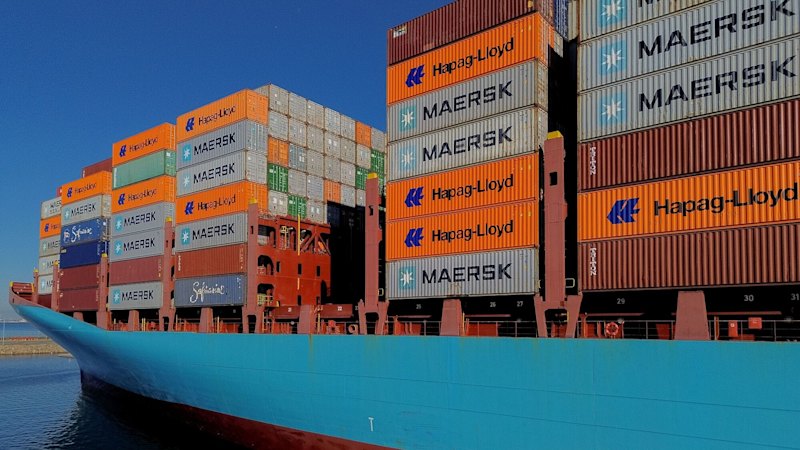
The growth in exports, which increased at an impressive 8.8% rate, was somewhat offset by a decline in imports, which fell by 4.7%. This balance reflects a strengthening in the trade sector that is crucial for the overall health of the economy.
Job Market and Borrowing Rates
The job market presents a mixed picture. In November, the economy added 64,000 jobs; however, 105,000 jobs were lost in October. The unemployment rate increased to 4.6%, the highest since 2021. Economists describe the current labor market as experiencing a “low hire, low fire” phase, with businesses hesitant to make significant changes due to uncertainties surrounding economic policies, including those related to former President Donald Trump‘s tariffs and elevated interest rates.
Since March, job creation has averaged 35,000 per month, a drop from the average of 71,000 in the year leading up to March. Jerome Powell, Chair of the Federal Reserve, has indicated that future revisions may show even lower job growth figures.
Looking Ahead
The recent GDP report is the first of three estimates for third-quarter growth. It suggests that, outside of the first quarter when the economy contracted due to tariff-related imports, the US economy has maintained a healthy growth trajectory. This resilience comes despite the Federal Reserve’s aggressive interest rate hikes in 2022 and 2023 aimed at curbing inflation that surged as the country rebounded from the COVID-19 recession.
While the Federal Reserve has cut its benchmark lending rate three consecutive times to address concerns about the slowing job market, inflation remains a critical issue. The central bank’s target is a 2% inflation rate, but current figures indicate that achieving this goal will require continued vigilance and possibly further adjustments to monetary policy.
As the US economy navigates these complex challenges, the interplay between growth, consumer confidence, and inflation will be pivotal in shaping its future trajectory.