The United States has imposed visa bans on several prominent figures involved in the European Union’s efforts to regulate online content, sparking a diplomatic row between Washington and European capitals. The bans specifically target Thierry Breton, a former European Commissioner known for his role in shaping the EU’s Digital Services Act, which aims to enhance online safety by regulating tech giants’ handling of illegal content.
On Tuesday, December 12, 2023, the US government announced the bans, asserting that Breton and other anti-disinformation advocates are implicated in efforts that censor free speech and unfairly target American technology companies. This decision reflects deepening tensions over digital regulations and free expression, particularly in the context of the ongoing Russia-Ukraine conflict and broader political dynamics.
The Digital Services Act (DSA) mandates social media platforms to take more responsibility for harmful content, including hate speech and child exploitation materials. In contrast, US officials argue that the DSA imposes “undue” restrictions on freedom of expression, which they believe disproportionately affects US interests and citizens.
French Foreign Minister Jean-Noel Barrot expressed strong disapproval of the US visa bans, emphasizing that the DSA was established through a democratic process and does not extend its reach to the United States. “France strongly condemns the visa restriction imposed by the United States on Thierry Breton and four other European figures,” he stated. Barrot underscored the sovereignty of European nations in determining their digital governance.
Breton, who served as the European Commissioner for the Internal Market from 2019 to 2024, voiced his concerns on social media, questioning whether the US is engaging in a modern-day “witch hunt.” He noted that the DSA received overwhelming support from the European Parliament and all EU member states. “Censorship isn’t where you think it is,” he added, highlighting the democratic backing for the regulation.
The backlash against the visa bans extended beyond France. Stephane Sejourne, who succeeded Breton in the EU, also condemned the action and reiterated the importance of European sovereignty over digital policies. He conveyed solidarity with Breton and the other affected individuals via social media, stating, “No sanction will silence the sovereignty of the European peoples.”
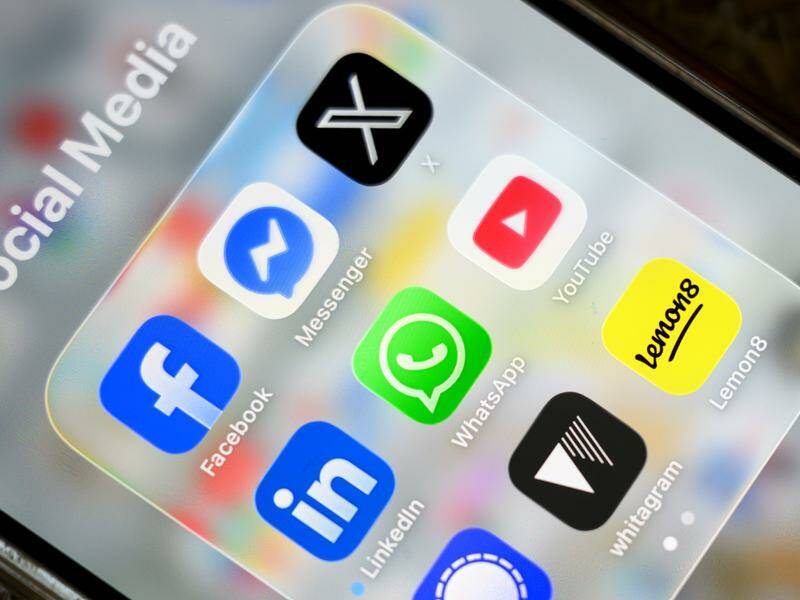
The US Under Secretary for Public Diplomacy, Sarah Rogers, characterized Breton as a “mastermind” behind the DSA during the announcement of the visa bans. This statement came shortly after the EU imposed a substantial fine of €120 million (approximately $A210 million) on Elon Musk’s social media platform, X, for violating online content regulations.
In addition to Breton, the visa bans also affected several other advocates for digital regulation, including Imran Ahmed, the CEO of the US-based Center for Countering Digital Hate, and activists from the German non-profit HateAid. The German Justice Ministry expressed support for the two German activists, stating that the US bans were unacceptable and mischaracterizing their efforts as censorship.
“Anyone who describes this as censorship is misrepresenting our constitutional system,” the ministry stated, emphasizing that the rules governing digital conduct in Europe are determined within Europe, not in Washington.
These developments highlight a growing divide between the United States and Europe regarding digital policy and governance. The recent US National Security Strategy document warned that Europe faces “civilizational erasure” and must adapt its approach to remain a reliable ally. As tensions rise, the implications of these visa bans may have far-reaching effects on transatlantic relations and the ongoing dialogue around digital regulation.