A recent exploration of controversial artworks in Australian galleries reveals evolving societal norms and ethical dilemmas. Various institutions across the country were prompted to identify pieces that have sparked debate or outrage, leading to a diverse collection of thought-provoking creations. Among these, notable works include **Patricia Piccinini’s** *The Young Family*, **Gregor Kregar’s** *Reflective Lullaby*, and **Richard Lewer’s** *Confessions*.
Shifting Perspectives on Art and Ethics
One standout is *The Young Family* (2002-03), exhibited at **Bendigo Art Gallery**. This piece features a human-pig hybrid mother nurturing her engineered offspring, inciting strong reactions since its debut at the **50th Venice Biennale**. **Patricia Piccinini** gained international recognition for this work, which raises significant ethical questions about genetic manipulation. A complaint letter received by the gallery described it as a “monstrosity,” illustrating the polarized views it evokes. As social attitudes towards body diversity continue to evolve, the artwork has become increasingly relevant. In 2017, the creation of human-pig embryos in California further intensified the moral debates surrounding the piece.
Another piece, **Gregor Kregar’s** *Reflective Lullaby*, was installed in 2015 along the **Peninsula Link** freeway in **Frankston**. This enormous stainless-steel gnome sparked a wide range of community responses, from admiration to disdain. While some residents criticized it as an extravagant expenditure, others embraced it as a local landmark, affectionately nicknaming it “Frankie.” By 2023, the gnome found its permanent home at **McClelland Sculpture Park**, where it continues to engage the public with its reflective surfaces that mimic the surrounding environment.
Art as a Mirror to Society
**John Perceval’s** *Delinquent Angel* (1961) stands out as another contentious piece. Currently housed at the **Shepparton Art Museum**, this sculpture is characterized by its raw, almost unsettling appearance. Its unique design has garnered mixed reactions; some viewers find it charming, while others perceive it as unattractive. The gallery’s exhibitions manager has noted the contrasting opinions even among staff, highlighting how personal taste greatly influences perceptions of art. Acquired in 1976 for **$2,700**, it was initially met with criticism, demonstrating the shifting values placed on art over time.
At the **Mornington Peninsula Regional Gallery**, **d harding’s** (Potentially) *enough bodypaint for three dancers* won the prestigious National Works on Paper award in 2024. While the piece may appear deceptively simple—just white paint on paper—it encapsulates deep cultural and ritual significance. The judges praised its ability to convey the richness of Indigenous culture, making it an essential part of the gallery’s ongoing mission to showcase contemporary Australian artists.
Another significant work, *Confessions* (2024) by **Richard Lewer**, recently acquired by the **Geelong Gallery**, showcases 106 personal confessions collected during a participatory project at the **National Gallery of Victoria**. Displayed in the artist’s solo exhibition, this installation merges humor with poignant insights into human behavior. Lewer has expressed fascination with religion’s capacity to influence morality and behavior, offering a fresh lens through which to view these confessions.
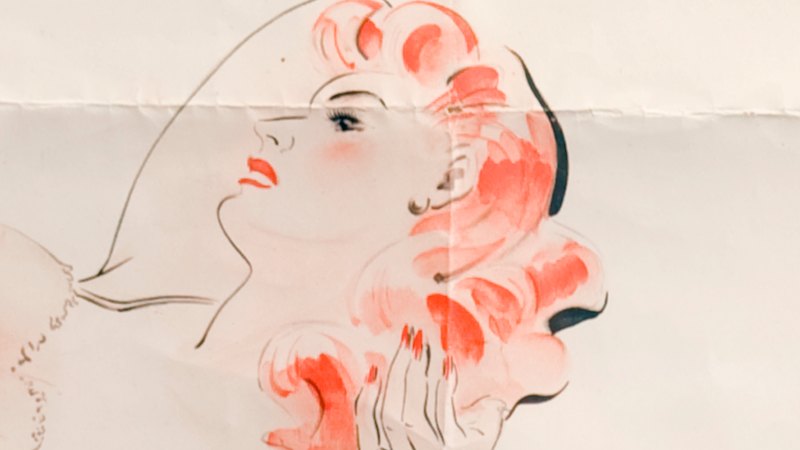
A notable historical piece within the **City of Melbourne Art and Heritage Collection** is a World War II-era poster stating “For exhibition in brothels only.” Aimed at reducing venereal disease among U.S. soldiers stationed in Melbourne, this artwork reflects the complexities of wartime culture and the often-overlooked narratives surrounding it. The anonymous artist left behind a work that, while controversial, serves as a historical artifact of a unique time.
Through these diverse examples, it is clear that the value of art transcends monetary worth; it encompasses cultural significance, ethical considerations, and the shifting values of society. As galleries continue to showcase such provocative works, they not only challenge viewers but also encourage critical discussions about the nature of art itself.