




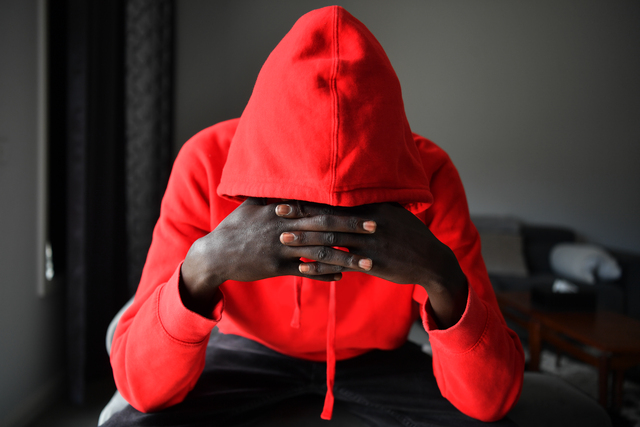
UPDATE: A powerful plea for action is echoing from Melbourne’s South Sudanese community as rising violence and trauma from knife crime and suicide devastate families. Local activist Kerma Axume is calling for urgent community healing and support services, revealing that the cycle of violence is deeply rooted and must be addressed immediately.
In a compelling statement, Kerma shared the emotional toll of losing loved ones to violence, stating, “The emotional impacts include the disunity it creates in the family and community.” He emphasized the constant fear parents feel for their children’s safety, even during routine activities.
Mental health experts are sounding alarms about the urgent need for culturally appropriate support services. Rose Deng, a mental health advocate, urged for increased funding for mental health and substance abuse services tailored to the Sudanese community. “It is crucial that services are rooted in cultural competency and community engagement,” she asserted.
The lack of accessible mental health resources is exacerbating the crisis, leaving many feeling isolated and stigmatized when seeking help. This gap is leading to a troubling normalization of violence, as articulated by Nanchok Santino Chol, an artist and mental health advocate: “The dangers of normalisation when it comes to premature death can trigger emotional distress within the community.”
The NAS Recovery Centre, founded by Nyachan Nyak, is stepping up to fill this void. They are expanding their services to support youth dealing with trauma from violence and grief, stating, “Our focus is to ensure no one is left without the support they need.” The centre is currently operating in Melbourne’s southeast and is set to extend its reach to the west.
Kerma’s message is clear: change cannot rest solely on government shoulders. “We need to be united and proactive,” he declared, advocating for community-led initiatives to prevent future tragedies. He stressed the importance of creating safe spaces for open discussions about mental health, where both youth and elders can share their experiences.
This urgent call for comprehensive action comes as the community grapples with the devastating impacts of violence. The psychological scars of losing young lives are felt deeply, with families and neighborhoods mourning collectively.
As the situation develops, community leaders are emphasizing the need for collaboration, urging families to come together to share their stories and foster healing. “Working together in solidarity is essential,” Rose Deng noted, highlighting the importance of bridging generational gaps to tackle shared trauma.
The time for action is now. The South Sudanese community in Melbourne is rallying for support, and the message is clear: immediate and culturally sensitive mental health resources are needed to combat the growing epidemic of violence and trauma.
Authorities and community stakeholders must respond swiftly to create a safer environment for future generations. As Kerma Axume poignantly stated, “We have to put it on ourselves, not on the government or other people, to solve our communal issues.”
This urgent plea for understanding and action resonates across the globe, reminding us all of the pressing need for compassion and proactive solutions in the face of adversity.
