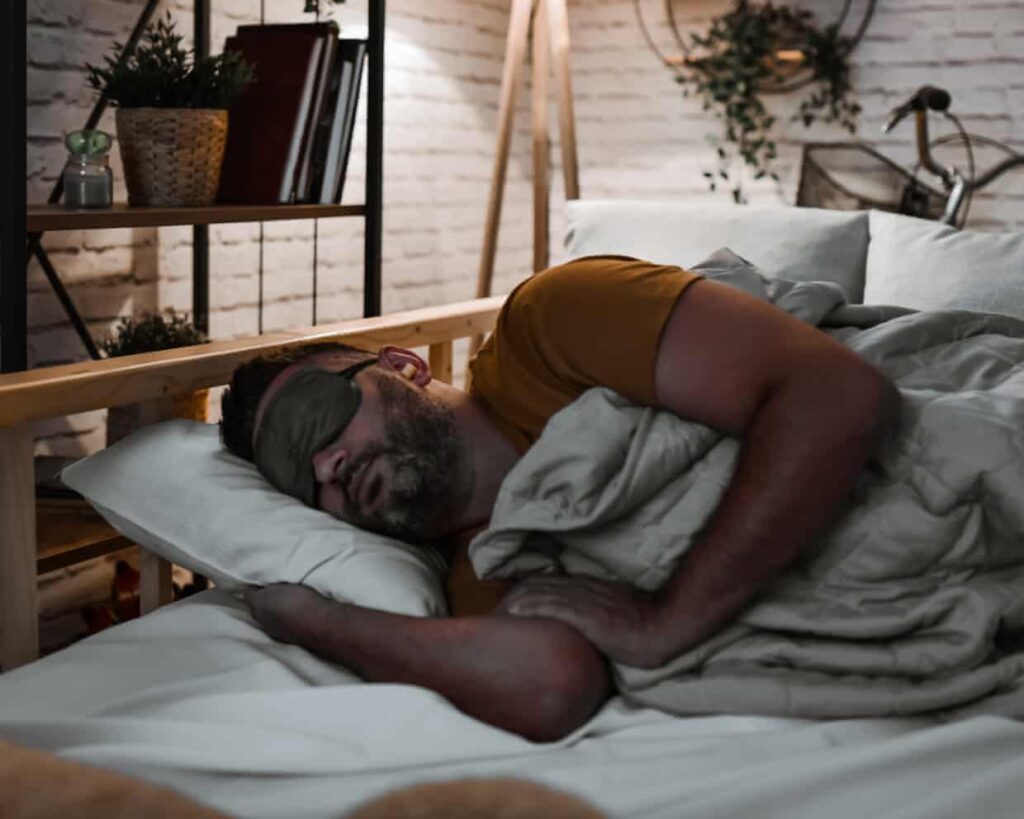
As the holiday season approaches, many individuals seek ways to improve their sleep while traveling. Experts emphasize that, despite the challenges of sleeping away from home, there are effective strategies to enhance rest during this busy time. With a focus on maintaining familiar routines and minimizing stress, sleep specialists offer valuable advice to ensure a restful holiday experience.
Understanding Travel Sleep Challenges
Travel often disrupts sleep patterns, particularly during the hectic holiday season. According to Dr. Sutapa Mukherjee, a respiratory and sleep physician at Flinders University in Adelaide, individuals frequently arrive at their destinations already sleep-deprived due to last-minute packing and work commitments. This lack of sleep can be exacerbated by the logistics of travel, making it crucial to focus on sleep hygiene during journeys.
When settling into a new environment, many travelers experience what is known as the “first night effect,” as highlighted by Dr. Moira Junge, CEO of the Sleep Health Foundation. This phenomenon involves difficulty sleeping due to unfamiliar sounds, smells, and bedding. “You will adapt quickly,” Junge reassures, encouraging travelers not to panic during their first night.
Establishing a Bedtime Routine
Sleep scientists advocate for the importance of maintaining a bedtime routine, especially while away from home. Mukherjee points out that many parents understand the significance of rituals for their children but often overlook their benefits for adults. One example comes from Sharlene Loo, a seasoned cabin crew member with Emirates, who has crafted her own pre-sleep routine. Loo’s habits include showering, skin care, and lying in an L-shape for 10 to 20 minutes to improve circulation.
To enhance relaxation, Loo also utilizes a lavender pillow mist, a practice that she finds beneficial, whether at home or traveling. Junge adds that bringing familiar items, such as a personal pillow or duvet, can help create a sense of comfort in new surroundings.
Optimizing Daylight Exposure and Temperature
For travelers crossing time zones, exposure to natural light becomes essential in resetting the body’s internal clock. Mukherjee advises against succumbing to fatigue upon arrival. Instead, she recommends getting outside to soak in daylight, which is crucial for acclimatization. She notes that it can take approximately one day for each hour of time difference to adjust, meaning a trip from Melbourne to London can take up to 11 days for full adaptation.
Temperature regulation also plays a vital role in sleep quality. Research indicates that the ideal ambient temperature for sleep is between 17 to 19 degrees Celsius. Mukherjee suggests adjusting pre-sleep activities based on the environment—taking a warm shower in a cold room or a cool shower in a hot one—to facilitate better sleep.
Creating a Sleep-Friendly Environment
As sleep sensitivity often increases with age, Junge recommends using earplugs and eye masks to block out disturbances. Simple tools, such as complimentary items from airplanes or inexpensive purchases online, can significantly enhance sleep quality.
Additionally, travelers should limit screen exposure at least an hour before bedtime. Mukherjee acknowledges that audio, such as soothing music or nature sounds, can assist in falling asleep, provided there is a sleep timer set for about one hour. This precaution helps to prevent disruptions during natural sleep cycles.
Embracing Flexibility and Relaxation
One of the most effective ways to ensure good sleep while traveling is to alleviate the pressure surrounding it. Junge emphasizes the importance of not fixating on sleep quality and instead adopting a relaxed attitude. “Don’t catastrophize,” she advises. For those who experience disrupted sleep, a short nap or a couple of cups of coffee can help manage fatigue throughout the day.
Ultimately, Junge notes that holidays are meant for relaxation, encouraging individuals to enjoy their time away without obsessing over sleep optimization. “If you’ve had a poor sleep, just have a nap, have a couple of coffees, and try to enjoy the day,” she says, reminding everyone that a balanced approach to both rest and enjoyment is key during the festive season.