




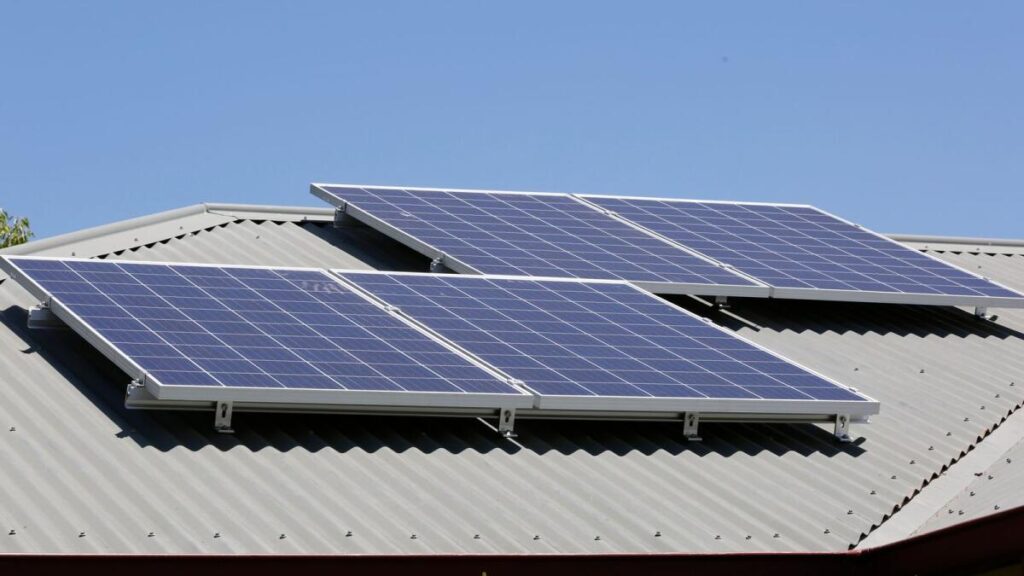
UPDATE: New data from the CSIRO reveals a significant shift in electricity generation costs, with solar and onshore wind power now the least expensive options for new electricity generation in Australia for the period of 2025-2026. This urgent development indicates a potential drop in electricity prices, as costs for large-scale battery storage have decreased by 20% and 15% over the last two years.
As Australia grapples with energy prices, the CSIRO’s latest report highlights that solar panels can convert sunlight into electricity more efficiently than any other method. Meanwhile, wind energy remains a low-cost alternative, requiring no fuel expenses. The International Solar Energy Society has tracked Australian wholesale electricity prices since 2016, showing remarkable stability over the past nine years.
Contrary to these findings, Federal Member for Nicholls Sam Birrell suggested that energy prices are unlikely to decline. His claims, however, clash with the growing evidence supporting renewables. Critics argue that traditional energy sources, including nuclear power, are becoming outdated and expensive. Nuclear energy is not only costly to implement but also takes significantly longer to set up compared to solar and wind projects, which can be operational within a few years.
The conversation surrounding renewable energy is further complicated by concerns over agricultural land use. However, proponents assert that renewable energy developments have not impeded agricultural practices. Questions remain about the actual impact on food production and regional economies, with many highlighting the benefits these energy transitions could bring.
WHAT’S NEXT: As the renewable energy sector continues to expand, observers will be closely monitoring the economic implications for both energy prices and agricultural communities. The urgency to embrace renewables is palpable, as traditional energy sources face mounting criticism for their environmental impact and economic viability.
The CSIRO’s findings could reshape Australia’s energy landscape, pushing policymakers to reconsider their stance on renewables. With the potential for lower electricity prices and sustainable energy solutions on the horizon, the transition to renewable energy is not only necessary but increasingly plausible.
Stay tuned for more updates on this developing story, as the energy transition presents both challenges and opportunities for Australia’s future.
