




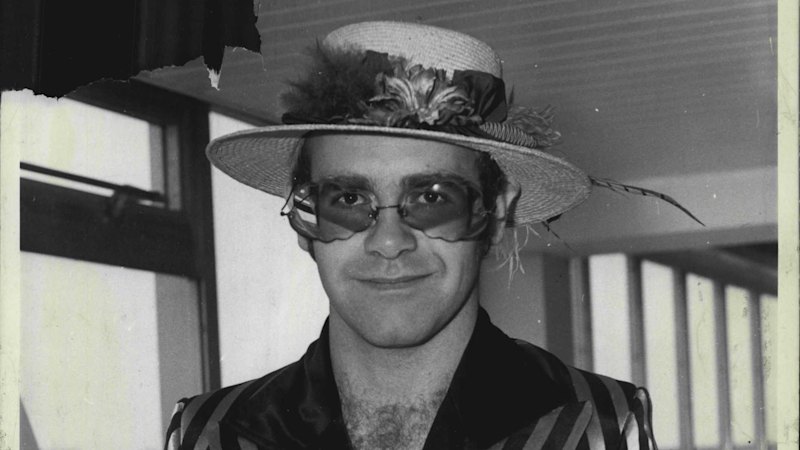
UPDATE: A new analysis reveals that the word “sorry” has become one of the most overused expressions in modern communication, diluting its significance and revealing societal issues around sincerity. The insights come as we mark the 50th anniversary of Elton John’s iconic song “Sorry Seems To Be The Hardest Word,” a stark contrast to today’s frequent apologies.
Why is everyone apologizing? With apologies flying around like confetti, it feels as if society is trapped in a cycle of remorse. The trend shows no signs of slowing down, indicating a pressing need to reassess our communication habits. This phenomenon highlights a growing disconnect between the act of apologizing and the genuine emotion behind it.
According to the Oxford Dictionary, “sorry” is defined as an expression of sadness or sympathy, and to feel regret. Yet, a significant gap has emerged between saying sorry and truly feeling it. This disconnect raises questions about self-esteem and sincerity, as individuals often use “sorry” to placate rather than to express genuine remorse.
“Sorry has crept into our vernacular like an audible placeholder akin to um and like,” says freelance writer Jo Pybus.
Many individuals now resort to saying “sorry” for minor inconveniences, demonstrating a culture of over-apologizing. This behavior not only diminishes the weight of a true apology but also highlights the struggles many face in asserting themselves. For example, when someone stubs their toe, they might receive a barrage of apologies, even when the other person is not at fault.
This trend raises concerns about manipulative behaviors as well. Apologies can be weaponized by those who use them to evade accountability without genuine intention to change. The phrase “sorry-not-sorry” has become particularly notorious, allowing individuals to express faux regret while maintaining their controversial views.
In everyday situations, the misuse of “sorry” is rampant. Whether asking for directions or inquiring about a name, the word often appears unnecessarily. This habitual use creates an environment where apologies lose their value, becoming mere fillers in conversation.
As we navigate this landscape of constant apologies, experts suggest a shift in language could enhance communication. Instead of reflexively saying “sorry,” individuals are encouraged to ask questions or express gratitude, fostering a more sincere dialogue. For instance, replacing “sorry, what was your name?” with “excuse me, could you please remind me of your name?” could shift the tone of interactions significantly.
Pybus emphasizes that acknowledging when we have erred is crucial, but it needs to be done with authenticity. A simple, heartfelt “sorry” should be reserved for genuine mistakes, not used to ease discomfort or avoid conflict. This approach may help restore the word’s potency and sincerity.
The urgency for change is clear. As society evolves, so must our communication styles. Emphasizing clear, respectful dialogue can help reduce the overuse of “sorry,” allowing it to regain its rightful place as a meaningful expression of remorse. The question remains: can we move beyond the habitual apologies and foster more genuine connections?
As this conversation continues to unfold, it’s essential to reflect on how we communicate and the impact our words have on our relationships. The next time you feel the urge to apologize, consider whether it’s warranted and explore alternatives that encourage more meaningful communication.
