The University of Sydney is reshaping medical education by focusing on rural healthcare, aiming to bridge the significant gap between urban and regional medical access. The institution recently graduated its inaugural class of 24 doctors from its newly established Dubbo medical school, providing a complete four-year Doctor of Medicine program in a regional setting.
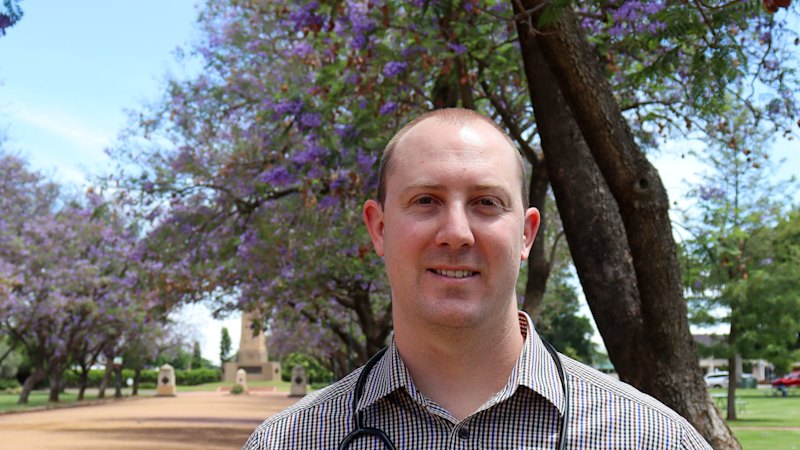
Liam Morrissey, one of the new graduates, was inspired to pursue medicine after witnessing the struggles his family faced in accessing healthcare in rural areas. “I have a sister with a fairly significant disability, so I saw that sort of second-hand,” he explained. His personal experiences, including long drives for medical appointments in major cities like Brisbane and Sydney, fueled his desire to become a doctor, although he initially took a different educational path due to missing out on direct entry into medicine.
The University of Sydney’s Dubbo medical school, established in 2001, originally provided one-year placements for postgraduate students. In 2022, the program expanded, allowing students to complete their entire medical training in Dubbo. According to Associate Professor Paul Lunney, head of the Clinical School for the School of Rural Health, this initiative aims to cultivate a workforce dedicated to serving rural and remote communities.
Statistics highlight the pressing need for healthcare professionals in these areas. Federal government data indicates that there are only 73 full-time equivalent general practitioners for every 100,000 people in very remote regions, compared to 114.6 per 100,000 in metropolitan areas.
Josie Cross, another graduate from the Dubbo stream, echoed Morrissey’s sentiments about the importance of rural healthcare. The National Rural Health Alliance reports a widening expenditure gap, with rural Australians incurring an additional $1,090.47 per person per year compared to their urban counterparts. Cross is set to join Morrissey at Dubbo Base Hospital for her internship in 2026, reflecting a commitment to serving underresourced communities.
“Being part of the education pipeline to build the rural health workforce is crucial,” Lunney stated. He emphasized that graduates from this program are significantly more likely to return to rural health settings than those who study in metropolitan areas.
Prospective students interested in the University of Sydney’s Doctor of Medicine program can choose between the Camperdown or Dubbo streams. Admissions are based on the Graduate Medical School Admissions Test (GAMSAT) scores, undergraduate GPA, personal statements, and interviews, with priority given to Indigenous and regional applicants.
As the University of Sydney continues to innovate in medical education, its focus on rural training is a vital step in addressing the healthcare disparities faced by regional and remote communities in Australia. The commitment of new graduates like Morrissey and Cross to return and serve in these areas offers hope for a more equitable healthcare landscape.