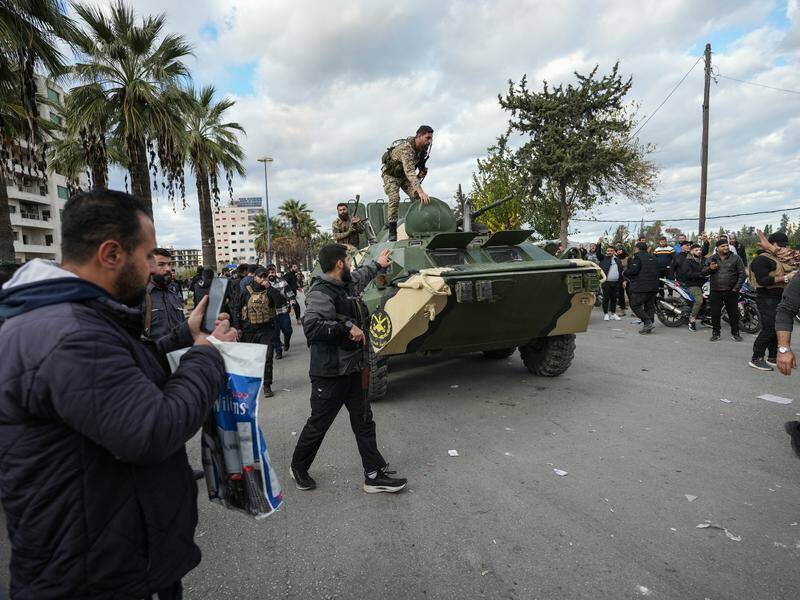
Security forces in Syria have imposed a curfew in the city of Latakia following violent protests that resulted in the deaths of four individuals. The curfew, reported by state media, will be in effect from 5 PM local time on March 12, 2024, until 6 AM local time on March 13, 2024. This decision comes in the wake of escalating tensions and sectarian violence in the region, particularly among the Alawite minority, which has historically supported President Bashar al-Assad.
Latakia, situated on the Mediterranean coast, has become a focal point for unrest. Protests erupted over the weekend, with thousands of Alawite demonstrators gathering in Azhari Square to call for a more decentralised political system and the release of numerous Alawite detainees. The protests have been marked by heightened emotions, especially following a recent bombing at an Alawite mosque in the nearby city of Homs that killed eight people.
Background of Sectarian Violence
The backdrop to these protests is a climate of fear and division since the ousting of Bashar al-Assad by a rebel offensive last year. The subsequent establishment of a Sunni-led government has exacerbated sectarian tensions. Latakia, long viewed as a bastion of the Alawite community, has seen a series of violent incidents that have raised alarms about the potential for further unrest.
On Monday, security forces responded to the growing chaos in Latakia by deploying additional personnel across various neighborhoods. Reports indicate that approximately a dozen people were injured during the rioting that occurred. The state’s decision to enforce a curfew reflects concerns over public safety and the need to restore order.
Protests and Government Response
The protests in Latakia are part of a broader pattern of civil discontent that has been simmering for months. A previous demonstration in November had to be curtailed when it faced opposition from a rival group supporting the new government. In both instances, security forces resorted to gunfire to disperse the crowds, highlighting the fragile state of public order.
As the situation develops, the curfew is seen as a critical measure to prevent further escalation of violence. The government’s approach to handling these protests will be closely monitored, as the population remains divided and tensions continue to rise. The unfolding events in Latakia serve as a reminder of the complex dynamics at play in Syria, where sectarian identities and political aspirations intersect in a volatile environment.