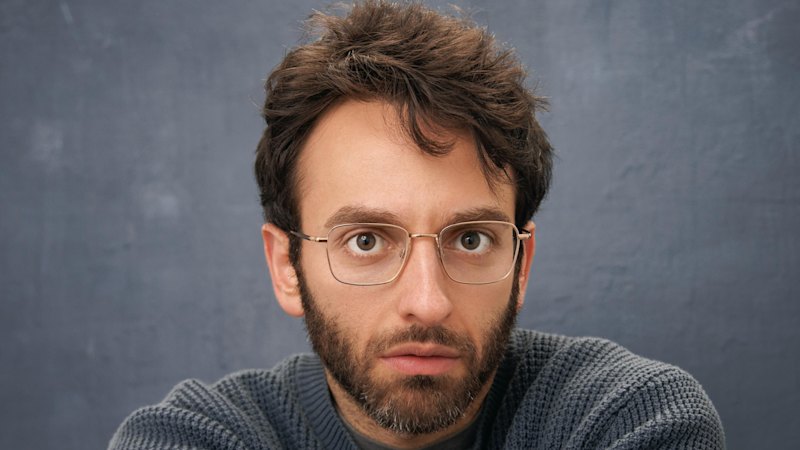
New York comedian Gianmarco Soresi recently encountered a fan while at a market, who expressed her gratitude for his decision not to participate in the controversial Riyadh Comedy Festival. This event, backed by the Saudi Arabian government, has attracted significant scrutiny due to its political implications, even featuring high-profile comedians like Louis C.K. and Dave Chappelle. Soresi, while known for his progressive humor, emphasized that he does not wish to be admired solely for his moral stance.
“I wasn’t invited to Riyadh,” Soresi remarked, speaking to the fan, “and I don’t want you to like me for my morality because I might disappoint you.” He aims to create a space where audiences can find humor in darker themes without feeling constrained by political correctness.
In recent years, the comedy landscape has shifted dramatically, mirroring the intense political divisions present in society. Comedians, once free to explore a broad range of topics, now often find themselves navigating the complexities of audience expectations and political correctness. “A comedian’s job is to address the weird or silly things that need to be talked about,” Soresi explained. He acknowledged the challenge of maintaining humor when serious issues dominate public discourse, stating, “It can be tough to laugh about owning a dog when there’s a fire around you.”
Soresi has carved out a distinct comedic persona that resonates across diverse audiences. Vulture aptly described him as “undeniably universal,” a rare label in today’s fragmented cultural landscape. He believes that by critiquing various aspects of society, he can foster goodwill and engage with those who may hold opposing views.
Originally trained in musical theatre, Soresi combines theatrical energy with his stand-up, often incorporating song and dance into his performances. “I can act, I can sing, and I’m annoying,” he quipped, highlighting his theatrical roots. This energetic approach allows him to tackle sensitive subjects, ensuring his audience feels secure even when he ventures into darker humor.
Soresi noted a shift in the perception of “edgy” comedy, which has often been associated with offensive material. His goal is to fulfill the demand for dark humor without perpetuating harmful stereotypes. “If I talk about trans-ness, it’s not going to be making fun of trans people. I’m the butt of the joke while discussing these sensitive topics,” he clarified.
His performance style, which leans heavily on physicality, sets him apart from many traditional stand-ups. Soresi remarked on how he aims to own the stage, particularly after a pivotal moment at Canada’s Just For Laughs festival. “I saw that surface area and was like, ‘Oh, I can own this stage,’” he recalled. This realization propelled him forward, marking a significant turning point in his career.
Despite the challenges of modern comedy, which often includes juggling multiple platforms, Soresi remains committed to his craft. He manages a podcast, a newsletter, and a YouTube comedy special, all while maintaining his live performance schedule. “It’s nuts. I can see why comedians usually get worse the more successful they get,” he said, acknowledging the demands of staying relevant in a fast-paced digital age.
One of his notable achievements was the release of his own comedy special titled Thief of Joy, which he produced independently and distributed for free on YouTube. “Ultimately, I make my money in ticket sales. I perform a lot,” he explained. By leveraging YouTube, he can reach a wider audience and maintain creative control over his work.
Soresi will perform at The Capitol on January 24 and the Melbourne Recital Centre on January 25, continuing to explore the boundaries of comedy while inviting audiences to engage with his unique perspective. As he navigates the evolving landscape of stand-up, Soresi remains dedicated to providing laughter, even in the face of serious societal issues.