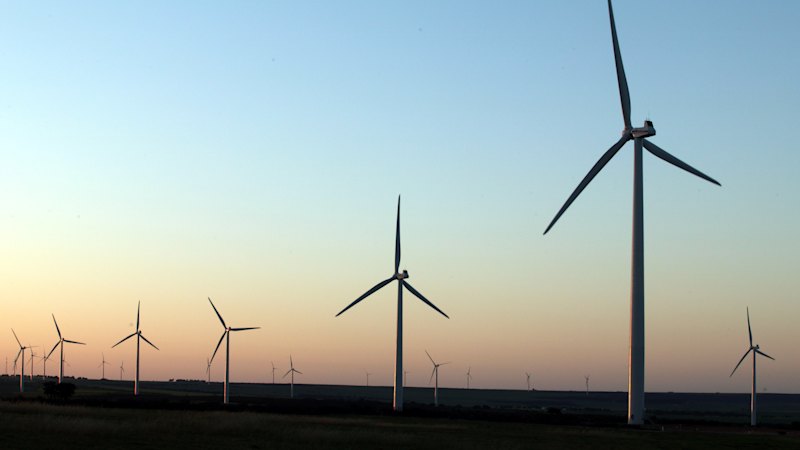
Australia is grappling with a significant energy crisis as the shift towards renewable sources continues to challenge the reliability and affordability of its electricity system. The Australian Energy Market Commission now acknowledges that the promise of cheaper energy from renewables has not materialized; in fact, it projects an increase in prices of up to 13 percent within this decade. This shift has raised urgent questions about the future of energy generation in the country.
Electricity generation is fundamentally an engineering challenge rooted in physics, rather than simply a political or economic issue. The essential principle is straightforward: electricity is generated by moving electrons, and this requires stable sources of power. Most electricity generation methods, including coal, gas, nuclear, and hydroelectric power, rely on mechanical processes to generate electricity. In contrast, solar photovoltaic (PV) systems operate without moving parts, relying solely on semiconductors.
The need for reliable and dispatchable power sources becomes increasingly apparent when examining the role of inertia. Traditional power plants, with their large spinning turbines, provide a vital buffer against fluctuations in electricity demand. Inertia acts as a stabilizer, allowing control systems to react effectively to sudden changes in power supply or demand. Conversely, renewable energy sources like wind and solar contribute little to this crucial characteristic.
The challenge of balancing supply and demand in real-time is paramount for grid stability. If either falls out of sync, it can lead to significant disruptions, including equipment damage and blackouts. The recent experience in South Australia, which has embraced a high penetration of renewable energy, illustrates the risks associated with this transition. This region now faces some of the highest energy prices in Australia and has installed synchronous condensers to mitigate instability, passing costs onto consumers.
As a result, Australia’s ambitious energy policies, aimed at reducing emissions, may inadvertently result in economic setbacks. Since the mid-2010s, the increased reliance on renewables has hindered the country’s energy productivity and GDP growth compared to peers. With major corporations like Google, Microsoft, and Meta actively seeking reliable energy sources, Australia’s closure of operational coal plants raises concerns about its attractiveness to investors.
Current energy modelling approaches overlook the fundamental engineering aspects of electricity production. While financial analyses treat energy solely as an economic puzzle, the reality is that economic growth is intrinsically linked to energy availability and efficiency. Wholesale prices have recently surged to caps of $15,000 per megawatt-hour, a clear indication of the underlying instability.
The CSIRO initially estimated that a system relying on 90 percent wind and solar energy by 2030 would cost around $70 per megawatt-hour. However, its latest estimates indicate that this cost could rise to between $125 and $150, far exceeding the expenses of maintaining existing coal plants. Meanwhile, transmission projects are facing delays and budget overruns, and coal plants are receiving substantial subsidies to remain operational.
To address these challenges, a fundamental shift in policy is necessary. Rather than favoring specific technologies, energy policy should focus on engineering principles with three core constraints: emissions reduction, grid stability, and reserve capacity. The goal must be to achieve the lowest possible generation costs.
A feasible approach involves retrofitting existing steam turbines rather than overhauling the entire grid. Policymakers should assess which new technologies can efficiently operate these turbines while considering options like low-emission coal, gas, and long-term thermal storage. Competitive auctions should fund these initiatives, rewarding only those that deliver measurable outcomes, such as carbon reductions and grid stability.
Eliminating unnecessary planning hurdles and connecting barriers would foster innovation and competition within the sector. Historically, Australia enjoyed some of the world’s cheapest electricity due to engineering expertise. By returning to those foundational principles, the country can aim for a reliable, affordable energy system with decreasing emissions.
Addressing these energy challenges is not merely a policy choice; it is a critical necessity for Australia’s future. The need for stable electricity is existential, and the nation must prioritize engineering solutions that ensure its energy system remains robust and effective.