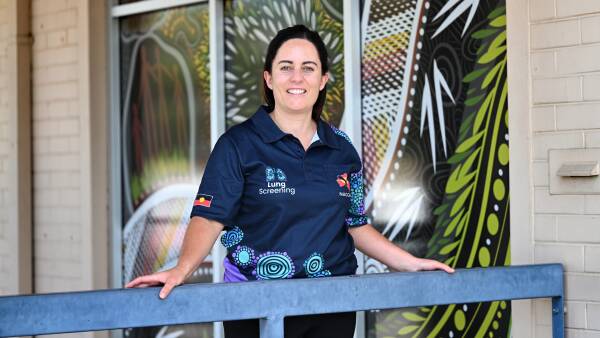
The Tamworth Aboriginal Medical Service – Aboriginal Corporation (TAMS-AC) has announced the creation of a dedicated cancer care coordinator position to address the alarming cancer mortality rates among Indigenous populations in Australia. This initiative comes in response to statistics indicating that Aboriginal and Torres Strait Islander people are diagnosed with cancer at higher rates and face a mortality rate that is approximately 40 percent higher than that of non-Indigenous Australians.
Addressing Healthcare Barriers
The new role is part of a broader effort to improve health outcomes in First Nations communities, where cancer remains the leading cause of death. TAMS’s clinical operations manager, Kate Cabot, noted that many individuals within these communities face significant barriers to accessing cancer care. Reasons for this hesitancy can vary, including cultural factors, logistical challenges in accessing healthcare, and a lack of awareness about available support services.
The cancer care coordinator is expected to play a crucial role in guiding patients through the healthcare system. “They will help navigate the system with patients and be by their side throughout the process,” Cabot explained. This support might include accompanying individuals to medical appointments and ensuring they understand the information being communicated by healthcare providers. The coordinator’s presence aims to foster a more comfortable environment for patients to discuss treatment options.
Promoting Early Detection
In addition to patient support, the coordinator will actively promote cancer screening programs to increase participation rates. Cabot emphasized the importance of early detection, stating, “We know that there’s an increased mortality within the Aboriginal community. Our goal is to screen individuals early so we can catch any issues before they become untreatable.”
The Australian government has invested millions in initiatives to Close the Gap in health outcomes for First Nations communities, and TAMS has received additional funding to enhance cancer screening efforts locally. “We encourage more people to engage in conversations with their GPs about their risk factors and available screenings,” Cabot added.
The application process for the cancer care coordinator position is currently open, with the deadline approaching soon. TAMS is seeking a candidate who is familiar with the community, engaged with its members, and has a strong understanding of cancer pathways or a willingness to learn. “We are looking for someone who can help us improve screening and coordination efforts within the community,” Cabot concluded.
This initiative represents a significant step towards addressing the health disparities faced by Indigenous populations in Australia, with the potential to save lives through enhanced support and early intervention.