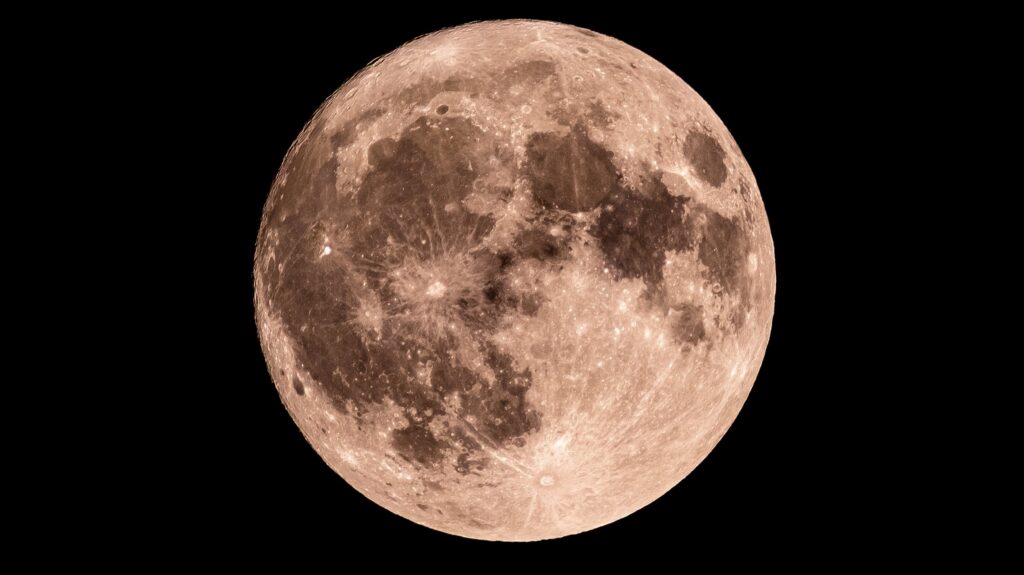
On January 1, 2024, the Moon is currently in the Waxing Gibbous phase, with an impressive **94%** of its surface illuminated. This bright display is a precursor to the upcoming Full Moon, scheduled for **January 3**. If the sky is clear, stargazers can enjoy a spectacular view tonight.
The Moon undergoes a series of phases in a cycle that lasts approximately **29.5 days**, a process defined as the lunar cycle. According to **NASA**, the Moon’s orbit around Earth results in varying amounts of sunlight illuminating its surface, which creates the different phases. While the same side of the Moon always faces Earth, its visible light changes dramatically throughout the cycle.
Understanding Moon Phases
The lunar cycle is categorized into eight primary phases. Each phase represents a unique appearance of the Moon as it transitions from one stage to another:
– **New Moon**: The Moon is positioned between Earth and the Sun, rendering it invisible to the naked eye.
– **Waxing Crescent**: A small sliver of light appears on the right side.
– **First Quarter**: Half of the Moon is illuminated on the right side, resembling a half-moon.
– **Waxing Gibbous**: This phase sees more than half of the Moon illuminated but not yet fully lit.
– **Full Moon**: The entire face of the Moon is fully illuminated and visible.
– **Waning Gibbous**: The Moon begins to lose light on the right side.
– **Third Quarter (or Last Quarter)**: Another half-moon appearance, with the left side illuminated.
– **Waning Crescent**: Only a thin sliver of light remains on the left before the Moon goes dark again.
As the Waxing Gibbous phase progresses, anticipation builds for the Full Moon, which will be the first of the year. Such celestial events captivate many, encouraging gatherings for moon-watching and scientific observation. The next Full Moon on **January 3** will mark an exciting moment for astronomy enthusiasts and casual observers alike.
Understanding these phases not only enriches the experience of observing the night sky but also connects individuals to the natural rhythms of our universe. As we enter this new year, the luminous display of the Moon offers a moment of reflection and wonder for all who gaze upon it.