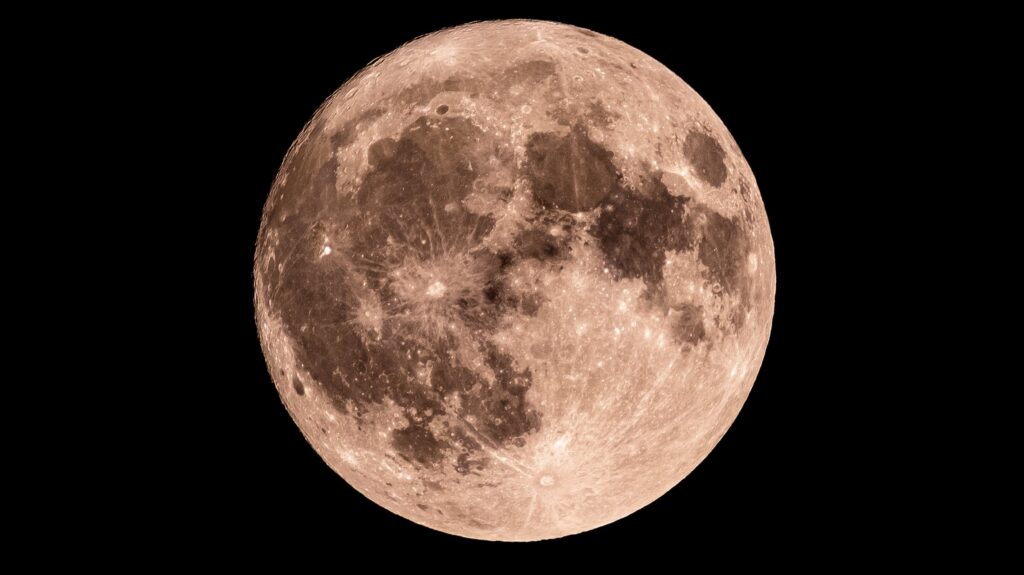
The moon phase on January 1, 2024, is a Waxing Gibbous, with approximately 94% of its surface illuminated. This beautiful sight is visible tonight, offering a spectacular view for those in areas with clear skies. The next full moon will occur on January 3, 2024, following the recent full moon, which took place on December 4, 2023.
Understanding Moon Phases
Moon phases result from the Moon’s orbit around the Earth, a cycle that takes roughly 29.5 days to complete. During this lunar cycle, the Moon transitions through several distinct phases, each characterized by varying levels of sunlight illuminating its surface. According to NASA, while one side of the Moon consistently faces Earth, the amount of light we observe changes significantly throughout the cycle.
The lunar cycle comprises eight primary phases:
1. **New Moon**: The Moon is positioned between the Earth and the Sun, rendering its visible side dark.
2. **Waxing Crescent**: A small crescent of light emerges on the right side for observers in the Northern Hemisphere.
3. **First Quarter**: Half of the Moon’s surface is lit, appearing as a half-moon.
4. **Waxing Gibbous**: More than half of the Moon is illuminated, approaching fullness.
5. **Full Moon**: The entire face of the Moon is brightly lit, fully visible from Earth.
6. **Waning Gibbous**: The Moon begins to lose illumination from the right side.
7. **Third Quarter (or Last Quarter)**: Another half-moon appears, but this time the left side is illuminated.
8. **Waning Crescent**: A thin crescent of light remains on the left side before the Moon goes dark again.
Understanding these phases not only enhances our appreciation of the Moon but also connects us to the natural rhythms of our planet. As we welcome the new year, the Waxing Gibbous serves as a reminder of the cyclical nature of time and the beauty of the cosmos.
As the Moon continues its journey, stargazers eagerly await the full moon on January 3, which promises another opportunity to witness its stunning glow.