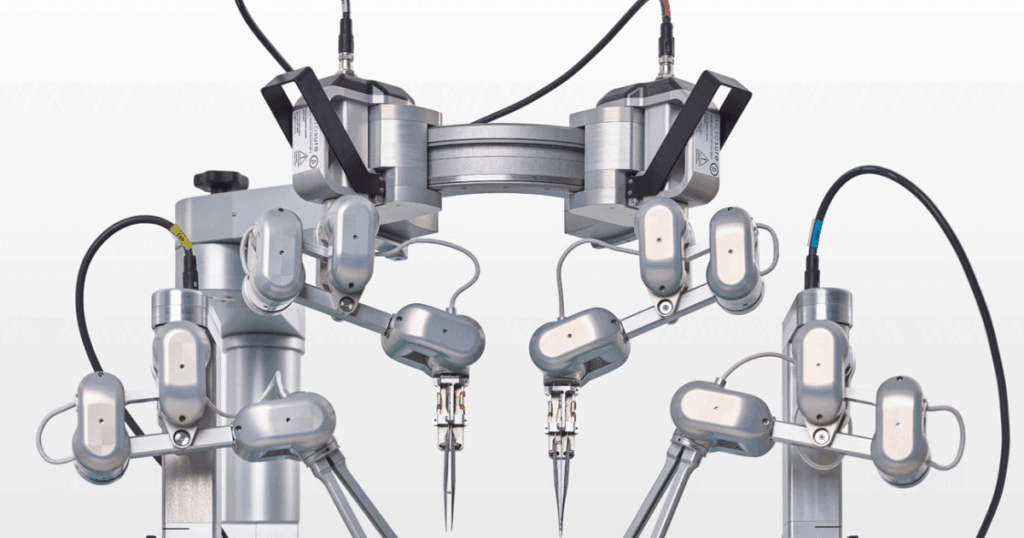
Plastic surgeons have conducted the first human trial utilizing a robot for “super-microsurgery,” a field focusing on intricate procedures involving blood vessels measuring between 0.3 to 0.8 millimeters. This innovative approach marks a significant advancement in surgical technology, potentially transforming how delicate surgeries are performed.
The trial, carried out in [location unspecified], was designed to assess the robot’s capabilities in executing highly precise surgical tasks that traditionally require years of specialized training. According to the lead surgeon, this technology could bridge the gap between the limited number of specialists available and the growing demand for complex vascular surgeries.
Advancements in Surgical Precision
Super-microsurgery is a challenging discipline, with only a handful of surgeons worldwide adept at performing such delicate operations. The introduction of robotic assistance aims to democratize this expertise, allowing more patients to receive care that was previously inaccessible.
The robot employed in this trial is equipped with advanced imaging and motion control systems, enabling it to perform tasks with a level of precision that surpasses human capability. Surgeons involved in the trial noted that the robot can manipulate instruments with remarkable steadiness, reducing the risk of human error during critical moments of surgery.
During the trial, the robot successfully completed several procedures involving the reattachment of tiny blood vessels. The results have been promising, demonstrating not only the viability of robotic assistance but also the potential for quicker patient recovery times and fewer complications.
Future Implications for Healthcare
The implications of this successful trial extend beyond the operating room. As the global population ages and the prevalence of conditions requiring vascular intervention increases, the demand for skilled surgeons is likely to rise. The integration of robotic systems could alleviate some of this pressure, allowing for more efficient use of surgical resources.
Plastic surgeons are optimistic about the future of super-microsurgery. The next steps involve larger-scale trials to further evaluate the robot’s performance and refine its capabilities. Future advancements may lead to enhanced training programs for surgeons, incorporating the robot as a teaching tool to improve skills and techniques in this intricate field.
As the healthcare industry continues to evolve, innovations like this robot-assisted surgery could redefine standards of care, making advanced surgical procedures more accessible to patients around the world. The success of this trial highlights a pivotal moment in the intersection of technology and medicine, paving the way for further exploration in robotic surgery and its applications in various medical specialties.