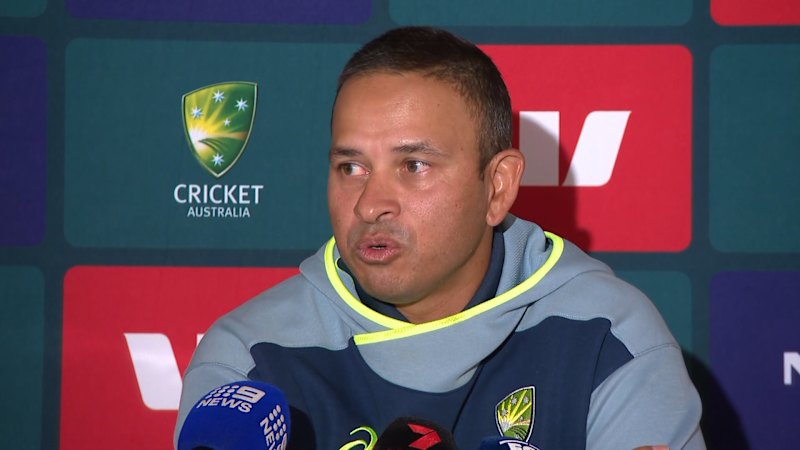
Usman Khawaja has publicly addressed the persistent issue of “racial stereotypes” that he claims have shaped both his cricketing career and personal life. Speaking out against criticisms from certain journalists and former players, Khawaja emphasizes the need for a more nuanced understanding of race in sports.
In a recent interview, Khawaja reflected on his experiences as a Muslim cricketer in Australia, stating that assumptions based on his background have often clouded perceptions of his performance. He pointed out that such stereotypes not only affect him but also contribute to a wider narrative that can be damaging to the sport and its diversity.
Confronting Misconceptions
Khawaja, who has played for the Australian cricket team since his debut in 2011, highlighted specific instances where he faced scrutiny that he believes stemmed from racial bias. He mentioned that certain criticisms seemed less about his skills on the field and more about his identity. Khawaja stated, “It’s about time we start looking at individuals for who they are rather than the stereotypes that follow them.”
His comments come as discussions around inclusivity in sports gain traction. Cricket Australia has made strides in promoting diversity, but Khawaja’s experiences indicate that challenges remain. The cricketer pointed out that stereotypes can create barriers, making it difficult for players from diverse backgrounds to gain acceptance and recognition in the sport.
Khawaja’s remarks resonate with broader conversations about race and identity in athletics. He emphasized the importance of creating an environment where players feel valued for their contributions rather than judged by their ethnicity. As he noted, “We need to celebrate our differences and learn from one another.”
Impact on Future Generations
The implications of Khawaja’s statements extend beyond his personal journey. By shedding light on these issues, he hopes to pave the way for future generations of athletes who may face similar challenges. He expressed his desire to inspire young players from all backgrounds to pursue their dreams, stating, “When they see someone like me succeeding, it shows them that they can too.”
Khawaja’s advocacy for change highlights the ongoing need for dialogue about race in sports. As conversations evolve, it is essential for stakeholders, including governing bodies, media, and fans, to engage thoughtfully with these topics.
In conclusion, Usman Khawaja’s bold stance against racial stereotypes in cricket serves as a powerful reminder of the complexities surrounding identity in sports. By challenging the status quo, he not only seeks personal recognition but also aims to foster a more inclusive environment for all athletes. His commitment to addressing these issues may inspire significant changes in how diversity is approached within the world of cricket and beyond.