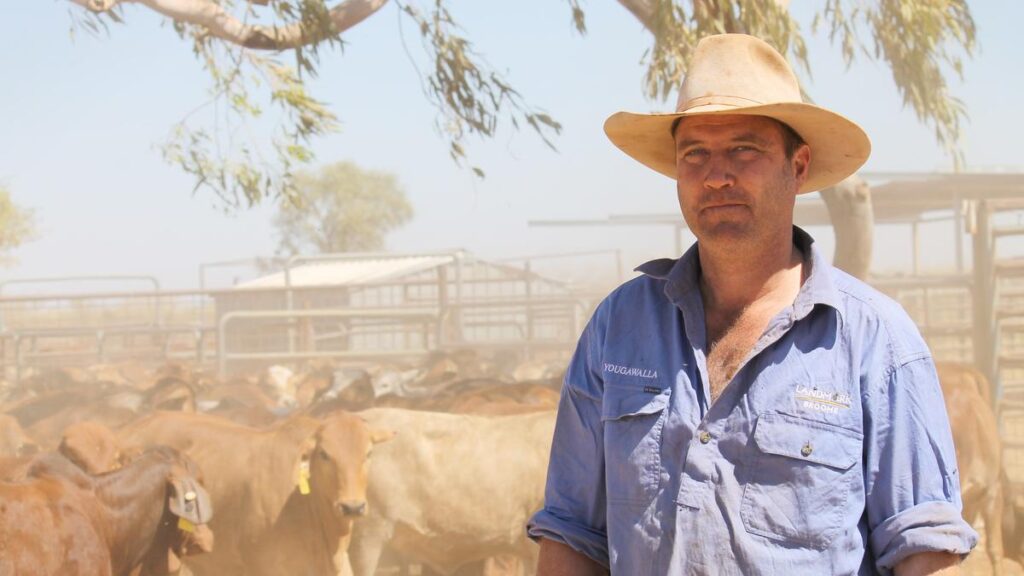
Haydn Sale.
Western Australia’s beef industry is grappling with the repercussions of unexpected restrictions imposed by China on global meat trade. These new measures, which came into effect in July 2023, have raised significant concerns among local producers about the future viability of their operations.
The Australian government announced that China has implemented a substantial tax on imported beef, a move described as shocking by industry leaders. This sudden imposition of duties has left many producers assessing their potential losses and exploring alternative markets.
Impact on Local Producers
A prominent pastoralist from the Kimberley region expressed deep concern regarding the implications of these restrictions. He indicated that the beef industry in Western Australia is particularly vulnerable due to its heavy reliance on exports to China. “This is not going to be good for us,” he stated, highlighting the urgency of the situation.
According to industry estimates, the tax could lead to a decrease in export volumes, resulting in financial strain for local farmers. The Western Australian beef sector has historically depended on the Chinese market, with exports valued at millions of dollars annually.
Local producers are now faced with the challenge of adjusting to this new reality. Some have begun to explore alternative markets in Asia and beyond, while others are reassessing their production strategies to mitigate potential losses.
Broader Economic Implications
The implications of China’s meat tax extend beyond individual producers. The Western Australian economy, which benefits significantly from the agricultural sector, may experience a ripple effect. Analysts predict that reduced export volumes could impact local jobs and associated industries, including transportation and processing.
As the situation unfolds, industry representatives are urging the Australian government to engage in diplomatic discussions with Chinese authorities. They believe that a resolution is critical not only for the beef industry but also for maintaining strong trade relations between the two countries.
In light of these developments, the Western Australian beef industry faces a critical crossroads. Stakeholders remain hopeful for a swift resolution to the trade restrictions, emphasizing the need for strategic planning to navigate the uncertain landscape ahead. With vigilance and adaptation, the industry aims to recover and continue its legacy in the global meat market.
As producers assess the damage and seek new opportunities, the full impact of China’s meat tax remains to be seen, but its initial effects are already evident in the local economy.