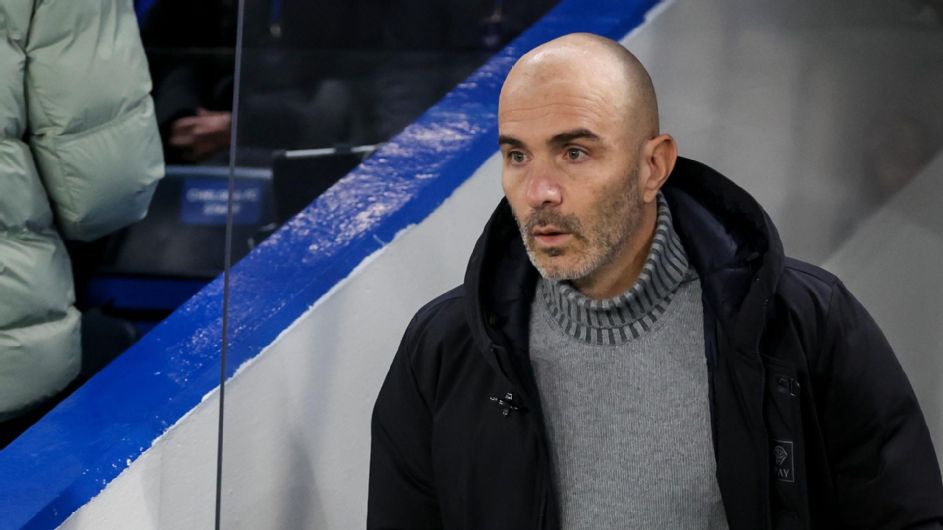
Chelsea Football Club has officially parted ways with head coach Enzo Maresca on January 1, 2026, just six months after he led the team to victory in the FIFA Club World Cup. The decision follows a rapid breakdown in Maresca’s relationship with senior club officials, leading to a legal dispute regarding the terms of his departure—whether he resigned or was dismissed. Chelsea’s statement used the phrase “parted company,” leaving the situation intentionally vague as negotiations over Maresca’s compensation continue.
Maresca’s contract was set to run until 2029, with an option for an additional year, reflecting Chelsea’s strategy of securing long-term commitments from both players and staff. This approach aims to foster stability within the club, and a review of Maresca’s performance was scheduled for the end of the 2025-26 season. However, the team’s recent struggles, with only one win in their last seven matches, have prompted a reassessment.
During his short tenure, Maresca achieved significant milestones, including winning the UEFA Conference League and qualifying Chelsea for the UEFA Champions League after finishing fourth in his first full Premier League season. He was recognized as the Premier League Manager of the Month in November 2025, yet the club’s current standing—fifth in the league, 15 points behind leaders Arsenal—prompted further scrutiny.
Maresca’s Challenges Within Chelsea’s Structure
According to sources familiar with the situation, Chelsea’s management structure is designed to distribute authority among multiple voices rather than placing complete control in the hands of the head coach. This model aims to prevent the club from becoming overly reliant on any one individual, a strategy deemed necessary following Manchester United’s struggles post-Sir Alex Ferguson. When Maresca agreed to take over from Mauricio Pochettino in the summer of 2024, he was reportedly aware of this framework.
Despite a successful stint at Leicester City, where he guided the team to the Championship title, Maresca faced challenges adapting to Chelsea’s operational model. While he brought six staff members from Leicester, he quickly discovered that decisions regarding player selection and medical management were not solely his to make. Tensions grew as Maresca expressed frustration over the lack of autonomy, particularly after the club opted not to sign a centre-back following an injury to player Levi Colwill.
Maresca’s public comments about the club’s direction, including his characterization of the lead-up to a match against Everton as the “worst 48 hours” of his tenure, raised eyebrows. These statements reportedly alarmed both his staff and club management, increasing speculation about his future.
Fractured Relations and Future Prospects
The breakdown in Maresca’s relationship with Chelsea’s medical department also contributed to his exit. Chelsea’s operational model requires that the medical team operates independently, offering recommendations on player fitness that the head coach is expected to follow. Reports indicate that Maresca occasionally disregarded medical advice, leading to concerns about player welfare and raising questions about his in-game management.
Despite the challenges, Maresca’s tenure was marked by notable successes, including Chelsea’s triumph at the Club World Cup in the United States. Nevertheless, internal evaluations revealed that the team had dropped 20 points from winning positions across all competitions, leading to increasing dissatisfaction with his management style.
The club’s hierarchy had supported Maresca through difficult periods, emphasizing their long-term strategy of not reacting hastily to short-term results. However, the mounting pressure from fans, who often failed to show their support, compounded the situation. The lack of connection with supporters became evident, particularly during high-profile matches, such as when former manager José Mourinho received a warmer welcome than Maresca upon his return to Stamford Bridge.
As Chelsea begins the search for its fifth permanent manager since the club’s takeover by BlueCo in May 2022, speculation surrounding Maresca’s future continues. Reports suggest that he has attracted interest from clubs like Manchester City and Juventus. While Chelsea’s management addresses the current coaching vacancy, Maresca’s next steps remain uncertain, but his achievements as world champion manager will remain a significant part of his career narrative.