




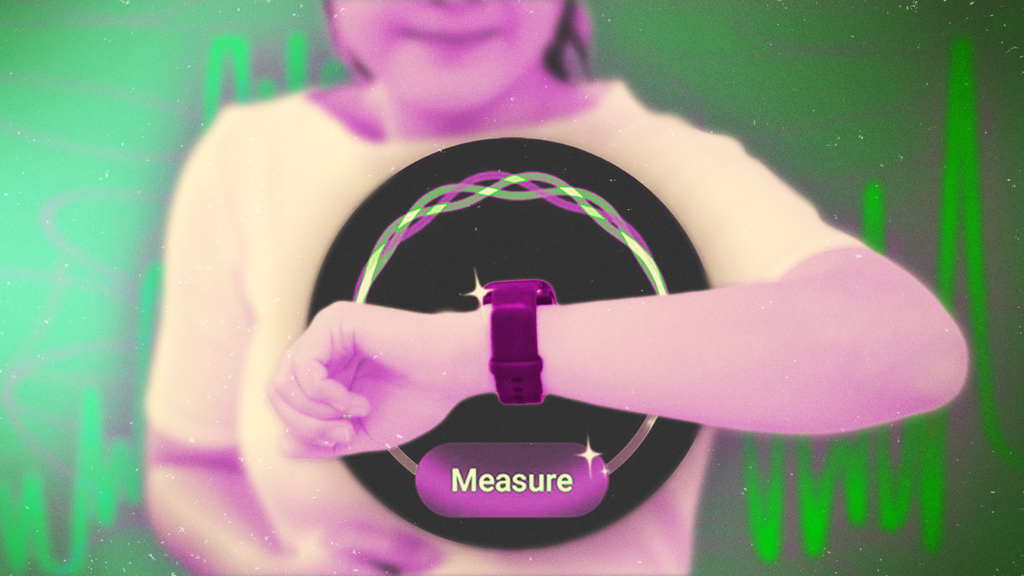
URGENT UPDATE: Recent findings reveal that popular smartwatches, including Garmin, Oura, Whoop, and Fitbit, are providing inaccurate stress readings that could mislead users about their emotional health. Experts emphasize that these devices may not accurately reflect true psychological stress, raising concerns about their reliability.
The devices display a “stress score” that is marketed as an insight into our emotional state. However, researchers warn that these scores are based on physiological markers rather than true stress levels. As a result, users may believe their anxiety is being monitored when, in fact, the data may reflect normal bodily responses to various stimuli.
According to Eiko Fried, a co-author of a significant 2025 study, “smartwatch stress measures did not align with self-reported stress scores for most individuals.” This discrepancy arises because the devices primarily measure physiological responses such as heart rate variability and skin conductance, without accounting for the user’s subjective experience of stress.
Emile Radyte, CEO at Samphire Neuroscience, highlights a critical issue: “A perfectly healthy physiological shift can be interpreted by a wearable as ‘high stress.’” This is particularly problematic for women, whose hormonal fluctuations can lead to misleading stress alerts, potentially causing unnecessary anxiety.
Moreover, the accuracy of these stress measurements is under scrutiny. While devices monitor heart rate and other signals, experts note that wrist-worn devices lack the precision of medical-grade equipment. Fried states, “Your doctor will not ask you to wear a smartwatch because there are many issues that make wrist-worn measurement less reliable.”
The implications of this misinformation are profound. Users may experience heightened anxiety due to misleading stress scores that do not reflect their actual emotional state. In a society increasingly reliant on technology for health insights, the potential for misinterpretation could lead to greater mental health challenges.
As the wellness industry continues to grow, experts urge consumers to be cautious. The term “stress” as used by these companies does not encompass the complex nature of human emotions. “Your watch simply detects signs of arousal in your nervous system, which could mean almost anything,” Fried explains.
This ongoing discussion emphasizes the need for transparency in how smartwatches define and measure stress. Experts suggest a shift towards terminology like “physiological arousal” or “autonomic nervous system activity” to provide more accurate depictions of what these devices are actually measuring.
As consumers, it is vital to approach these devices with a critical eye. While the technology holds value, it is essential to understand its limitations. The disconnect between marketed benefits and actual performance may hinder users’ ability to manage their mental health effectively.
In conclusion, as the debate continues, consumers must remain informed about what their smartwatches can—and cannot—tell them about their stress levels. The sooner this gap is acknowledged, the better equipped individuals will be to utilize these devices for genuine self-awareness, rather than falling prey to a quantified illusion of emotional insight.
Stay tuned for further updates on this developing story and consider sharing this information to help others understand the complexities of smartwatches and their stress measurements.
