Inflation in the United States showed a slight decrease last month, as the prices for gas and used cars fell, indicating a gradual easing of cost pressures. According to the Labor Department, consumer prices rose by 0.3 percent in December 2023 compared to the previous month, maintaining the same rate as in November. Excluding the more volatile food and energy sectors, core prices increased by 0.2 percent, also mirroring November’s figures. At this rate, inflation could trend closer to the Federal Reserve’s target of 2 percent over time.
Despite this cooling trend, many American households continue to feel the impact of rising prices for essential goods. The cost of necessities, including groceries, rent, and healthcare, has surged, with food prices alone increasing by approximately 25 percent since the onset of the pandemic. These affordability issues have escalated into significant political concerns, drawing attention from both current and former political leaders.
The December report marks the first comprehensive measure of inflation since September 2023. A six-week government shutdown last fall interrupted the collection of essential price data, resulting in no report for October and skewed figures for November. The report noted that most price data for November was gathered after the government reopened, coinciding with holiday discounts that may have lowered inflation readings. Economists have pointed out that rental prices were only partially collected in October, leading to the use of placeholder estimates in November, which likely affected reported prices.
Despite these complexities, the latest report indicates that inflation remained stable, with consumer prices rising by 2.7 percent year-on-year in December, unchanged from November. Core prices also increased by 2.6 percent compared to the previous year, reflecting minimal change.
Inflation has significantly decreased from its peak of 9.1 percent in June 2022 but has lingered close to 3 percent since late 2023. The persistent rise in the costs of everyday essentials has fueled public dissatisfaction with the economy, an issue that both President Joe Biden and former President Donald Trump have attempted to address with limited success.
The Federal Reserve faces the challenge of managing inflation while also fostering economic growth. The institution has been cautious about reducing interest rates, particularly as inflation remains above its target. In December, the Fed lowered its key rate by a quarter-point but indicated that further cuts might be on hold to monitor economic conditions. The Federal Open Market Committee, consisting of 19 members, has been divided on whether to continue cutting rates or maintain the current level of approximately 3.6 percent to combat inflation.
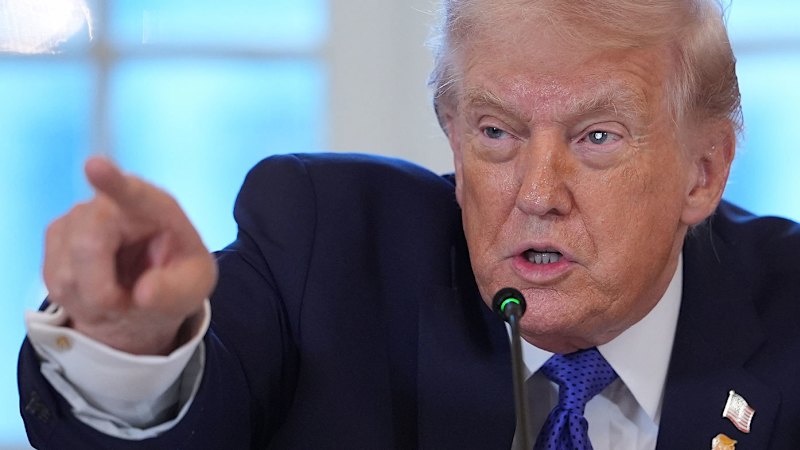
Trump has criticized the Fed for not implementing sharper cuts to its key short-term rate, arguing that such measures could lower mortgage rates and reduce government borrowing costs. Nonetheless, the Fed does not directly set mortgage rates, which are primarily dictated by financial market conditions.
Adding to the complexities surrounding the Fed’s operations, the Department of Justice issued subpoenas regarding Jerome Powell‘s congressional testimony from June concerning a $2.5 billion renovation of two Fed office buildings. Trump administration officials have claimed that Powell either misrepresented changes to the project or deviated from approved plans. In response, Powell labeled these allegations as mere “pretexts” aimed at exerting political influence over the Fed’s independence.
“The threat of criminal charges is a consequence of the Federal Reserve setting interest rates based on our best assessment of what will serve the public, rather than following the preferences of the President,” Powell stated. He emphasized the importance of maintaining the Fed’s ability to set monetary policy based on evidence and economic conditions, free from political pressure.