The ongoing challenges faced by Sydney’s public swimming pools underscore a growing need for investment and modernization. As local councils grapple with aging facilities, the demand for upgraded aquatic centres has intensified. This issue is particularly pressing in light of the rapidly increasing population and rising temperatures in the region, creating a scenario where communities require more accessible recreational options.
The modest Engadine Leisure Centre, located in southern Sydney, has remained largely unchanged since its establishment in the 1970s. This facility, which includes multiple outdoor pools and a grassy area shaded by trees, provided countless children with the opportunity to learn swimming skills in a safe environment. Yet, as Sydney becomes hotter and denser, many are calling for more facilities like this to meet current and future demands.
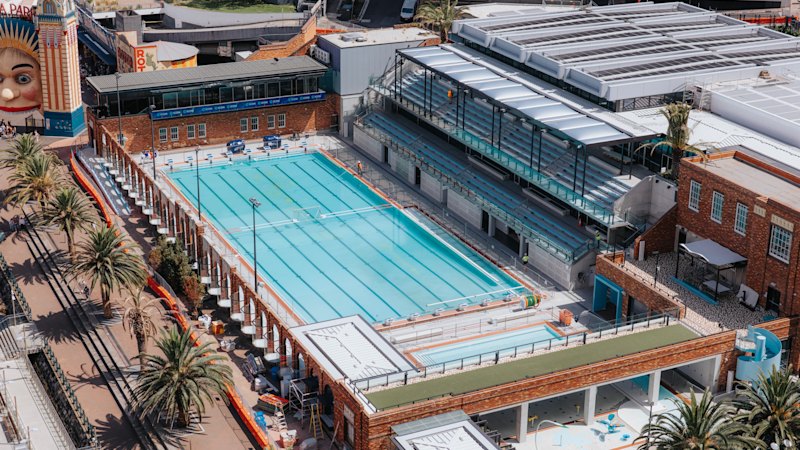
On the opposite side of the harbour, the $122 million North Sydney Olympic Pool is nearing completion after a tumultuous five-year renovation process. Initially projected to cost around $60 million, the project faced numerous setbacks, including scope creep and delays, ultimately resulting in a completion timeline that extended three years beyond the original schedule. According to Zoe Baker, the Mayor of North Sydney, councils are under pressure to deliver improved facilities when upgrading existing pools, significantly increasing the costs involved in such projects.
Local governments across Australia are confronted with a dual challenge: aging aquatic facilities that require replacement and limited budgets to finance such endeavours. The rising demand for high-quality public amenities, coupled with financial constraints, complicates the situation further. Baker pointed out that councils are expected to provide a higher standard than what is being replaced, which adds to the financial burden.
The North Sydney upgrade was essential due to severe deterioration of the original 1936 swimming complex. The Olympic pool and grandstand were affected by concrete cancer, necessitating a complete overhaul. While a minimal renovation was estimated at $28 million in 2017, by the time the pool closed in early 2021, the cost had ballooned to $58 million. External factors, such as adverse weather conditions and the impact of the pandemic, contributed to this dramatic increase.
An independent report by consultants PwC highlighted missteps in the project, particularly the rushed contract signing on New Year’s Eve 2020. The report criticized the decision to separate design and construction contracts, which led to incomplete design documentation and subsequent delays.
The newly constructed pool complex promises a range of modern amenities, including indoor and outdoor pools, a 970-seat grandstand, a gymnasium, spa facilities, and even a gelato bar. Although the upgrades appear extravagant, local residents are left without a pool for physical exercise or social activities during the renovation period. Many communities have experienced similar closures, including facilities in Canterbury, Epping, Leichhardt, and Willoughby.
In contrast, some councils, such as the City of Sydney, have successfully completed pool renovations on time and within budget by engaging in thorough community consultations and planning before proceeding with projects.
To address the widening gap between community needs and available resources, Royal Life Saving Australia proposed a potentially cost-effective solution: modular prefabricated pools. These facilities could be constructed in approximately eight months at a cost of $5.5 million, significantly reducing the burden on local councils. The state government should consider this proposal as a viable option for improving public swimming facilities.
As local councils continue to face budgetary pressures, open discussions with communities regarding the costs and logistics of constructing and maintaining large aquatic centres will be crucial. If these conversations do not take place, there is a risk that communities may be left without essential swimming facilities, resulting in future generations of Australians growing up without easy access to public pools.
Immediate action is required to ensure that public swimming facilities can be upgraded to meet the needs of a growing population while prioritizing health and safety. The importance of swimming as a life skill and social activity cannot be overstated, and it is vital that local councils and governments work together to secure sustainable solutions for future generations.