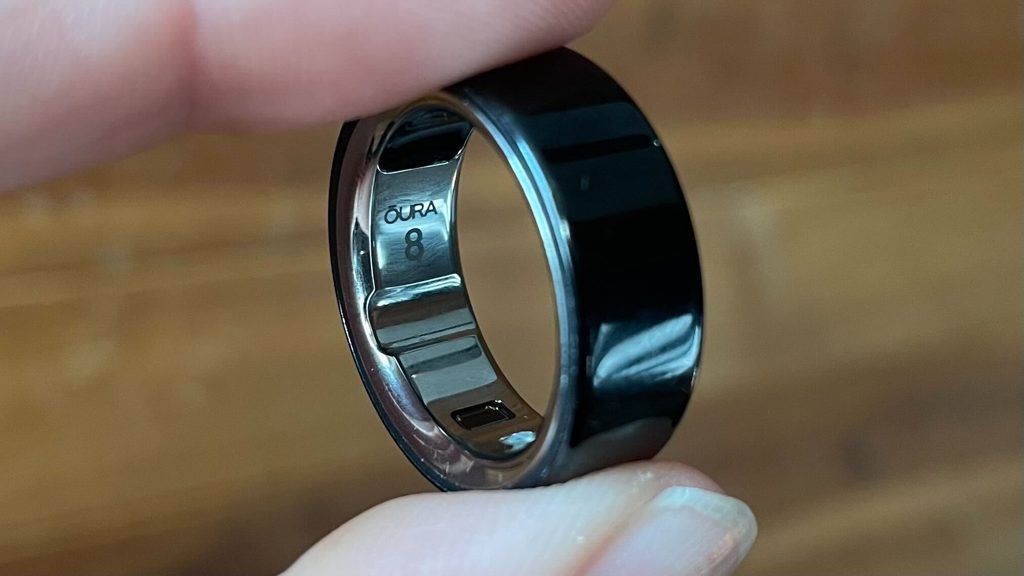
The newly launched Oura Ring 4 has garnered attention for its sleek design and advanced sleep tracking capabilities, but it has limitations as an activity tracker. While the ring excels in monitoring sleep quality, potential users should consider its shortcomings when it comes to fitness activities.
Design and Comfort of Oura Ring 4
Upon wearing the Oura Ring 4, users will immediately notice its smooth interior and exterior, a change from previous generations that featured sensor bumps. This model stands out for its traditional ring-like appearance, making it more aesthetically pleasing compared to other smart rings on the market. While the ring is comfortable for everyday wear, it is advisable to remove it during activities like weightlifting or vigorous outdoor tasks, as its bulkiness can be cumbersome.
Sizing the ring correctly is crucial, as it comes in twelve different sizes, ranging from 4 to 15. Prospective buyers can purchase a $10 sizing kit, which includes a discount applicable to the ring purchase. Alternatively, in-store sizing options are available at retailers like Best Buy, where customers can try on sample rings. It is essential to ensure the correct size, as the Gen 4 sizing differs from previous models.
Sleep Tracking and Health Monitoring
The primary strength of the Oura Ring 4 lies in its sleep tracking capabilities. The device records a comprehensive range of data, including sleep duration, time taken to fall asleep, and overall sleep quality. Users can also view their heart rate variability (HRV) and resting heart rate directly within the accompanying app. These metrics provide valuable insights into an individual’s health and recovery status.
The ring also tracks body temperature deviations and respiratory rates, offering additional health insights. While some users have reported that the temperature readings can indicate potential illness, experiences vary. The app’s analysis includes stress levels based on heart rate and calculates resilience, informing users about their ability to recover from daily stressors.
Additionally, the Oura Ring features cycle tracking capabilities, which can be beneficial for those monitoring ovulation and fertility. The integration with the Natural Cycles app allows users to leverage their Oura data for better reproductive health awareness.
Activity Tracking Limitations
Despite its impressive sleep tracking, the Oura Ring 4 falls short when it comes to activity tracking. While it does monitor heart rate and offers basic activity logging, many users find it inadequate for serious fitness tracking. For example, the ring may not accurately capture workout data during runs or weightlifting sessions, leading some users to rely on separate fitness devices.
The Oura app does allow for importing workout data from other applications, which can help in maintaining an overall activity record. However, this approach necessitates owning another fitness tracking device, making it less appealing for those seeking a comprehensive solution in a single wearable.
Battery Life and Charging
Battery life for the Oura Ring 4 is generally commendable, lasting up to eight days per charge under optimal conditions. Users who enable features like blood oxygen sensing may experience reduced battery life, but the device still offers a considerable duration between charges. Notably, the ring’s charger is specific to its size, a detail that buyers must keep in mind.
In January 2026, Oura introduced a charging case that allows users to charge the ring without plugging it into a USB port, providing a convenient option for those on the move. This case can hold enough power for five full charges, enhancing the overall user experience.
Pricing and Subscription Costs
The Oura Ring 4 is priced starting at $349 for the basic models, with prices increasing for premium finishes. Importantly, users must also subscribe to the app for $5.99 per month to unlock the full range of features. Without a subscription, users receive only basic readiness, sleep, and activity scores, limiting the ring’s utility.
Concerns about the lifespan of the device remain, as previous generations of the Oura Ring showed a decline in battery performance after a couple of years. While the longevity of the Gen 4 remains to be seen, potential buyers should factor in the ongoing costs associated with both the device and the subscription.
In conclusion, the Oura Ring 4 offers a robust sleep tracking experience and a sleek design, making it an appealing choice for those focused on health monitoring. However, its limitations in activity tracking and the additional costs associated with usage warrant careful consideration for prospective buyers.