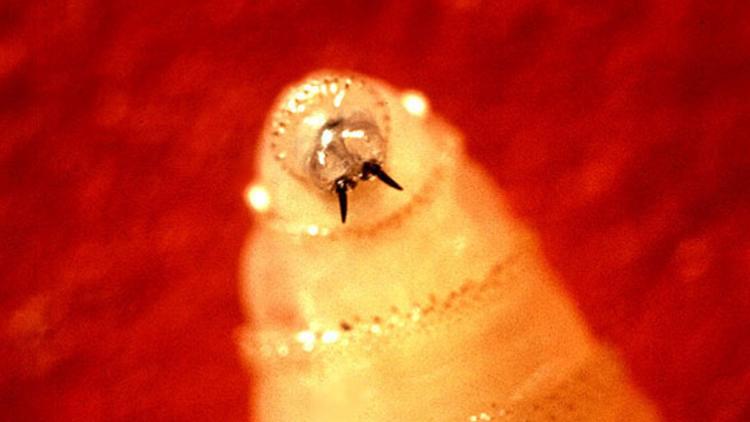
The risk of screwworm infestation in the United States has escalated significantly, with reported cases near the Texas border rising to **11**. This situation has prompted heightened concern among agricultural officials, who warn that the presence of this pest could severely impact the nation’s **$600 billion** livestock industry if it crosses into the U.S. from Mexico.
Screwworms, known for infesting the wounds of warm-blooded animals, can cause significant harm to livestock, leading to severe health issues and even death. The U.S. Department of Agriculture (USDA) has been actively monitoring the situation, emphasizing the urgent need for preventative measures to safeguard animal health.
Current Situation and Official Responses
In response to the rising cases, animal health officials are implementing strict surveillance protocols along the border. The USDA has mobilized resources to work closely with their Mexican counterparts to contain the pest. Experts in animal health are particularly focused on preventing the screwworm from establishing a foothold in the United States.
According to the Centers for Disease Control and Prevention (CDC), the screwworm’s potential spread poses a threat not only to livestock but also to the broader agricultural economy. The pest can reproduce rapidly, and effective control requires coordinated efforts between federal and state agencies.
The Texas Animal Health Commission has urged local farmers and ranchers to be vigilant and report any suspicious wounds on their animals. This proactive measure aims to ensure early detection and rapid response to any potential outbreaks.
Historical Context and Economic Impact
Screwworms were previously eradicated from the U.S. in the **1980s**, following a successful campaign that included the release of sterilized males to disrupt the pest’s reproduction cycle. The return of this pest could have devastating ramifications for the livestock sector, which plays a crucial role in the national economy.
The livestock industry is vital to Texas, which is the largest producer of cattle in the United States. Should the screwworm establish a presence, it could lead to significant economic losses, affecting farmers, ranchers, and the supply chain associated with livestock production.
In light of the agricultural stakes, officials are urging the public to remain informed and engaged in the efforts to combat any potential infestation. The collaboration between governmental agencies and local communities is essential to mitigating this threat effectively.
As of now, the situation remains under close scrutiny, and authorities are committed to taking all necessary precautions to protect both livestock and the livelihoods dependent on this critical industry. The next steps will involve ongoing monitoring and public education to ensure that all stakeholders are prepared to respond swiftly to any developments.