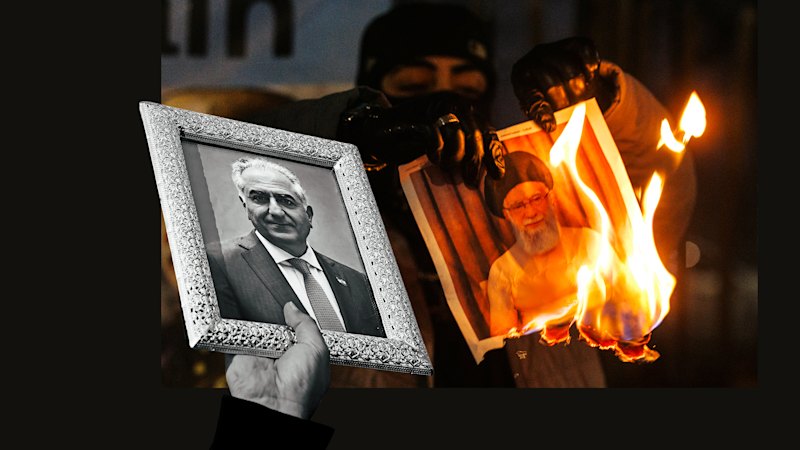
Iranians are taking to the streets in significant protests against their government, risking their safety in a powerful display of dissent. These demonstrations, which began in late 2022 and have continued into 2023, reflect widespread dissatisfaction with the Iranian regime’s oppressive policies. Amid this turbulent landscape, Reza Pahlavi, the exiled son of the last Shah of Iran, has surfaced as a prominent figure rallying support for a democratic alternative.
The protests have been fueled by various grievances, including economic hardship and human rights abuses. According to reports from Human Rights Watch, over 500 individuals have died as a result of the government’s violent crackdown on dissent. Demonstrators are demanding change, calling for accountability and an end to the regime’s authoritarian rule. They are united under a shared vision of a free and democratic Iran, a vision that has not been articulated by a single leader until now.
Reza Pahlavi Takes a Stand
Reza Pahlavi, who resides in the United States, has become a symbol of hope for many Iranians and members of the Persian diaspora. His return to the political arena marks a notable shift in the opposition landscape. Pahlavi’s advocacy for democracy and human rights resonates widely, as he urges the international community to support the Iranian people’s struggle for freedom.
In a recent address, Pahlavi emphasized the need for unity among opposition groups. He stated, “The Iranian people deserve a government that respects their rights and aspirations.” This call for unity is crucial in a fragmented opposition that has struggled to present a cohesive front against the regime.
Pahlavi’s emergence as a leader has not gone unnoticed by the Iranian government. Officials have dismissed him as a relic of a bygone era, yet his growing popularity among the youth and activists suggests a potential shift in political dynamics. The regime’s attempts to discredit him highlight the challenges it faces as dissent grows.
Global Response and Implications
The international community is closely monitoring the situation in Iran. The United Nations has condemned the regime’s violent response to protests and called for an independent investigation into human rights violations. The Iranian government, however, remains defiant, insisting that it will not tolerate what it describes as foreign interference in its domestic affairs.
Support for the protesters has also been evident among various governments and organizations. Several countries have expressed solidarity with the Iranian people, while advocacy groups continue to push for sanctions against key figures within the regime. The response from the global community could play a vital role in shaping the future of Iran, especially as Pahlavi’s calls for support gain traction.
As protests continue and opposition figures like Pahlavi gain prominence, the Iranian regime finds itself at a critical juncture. The combination of internal unrest and external pressure could lead to significant changes in the political landscape. The resilience of the Iranian people and their quest for freedom will ultimately determine the regime’s fate in the coming months.